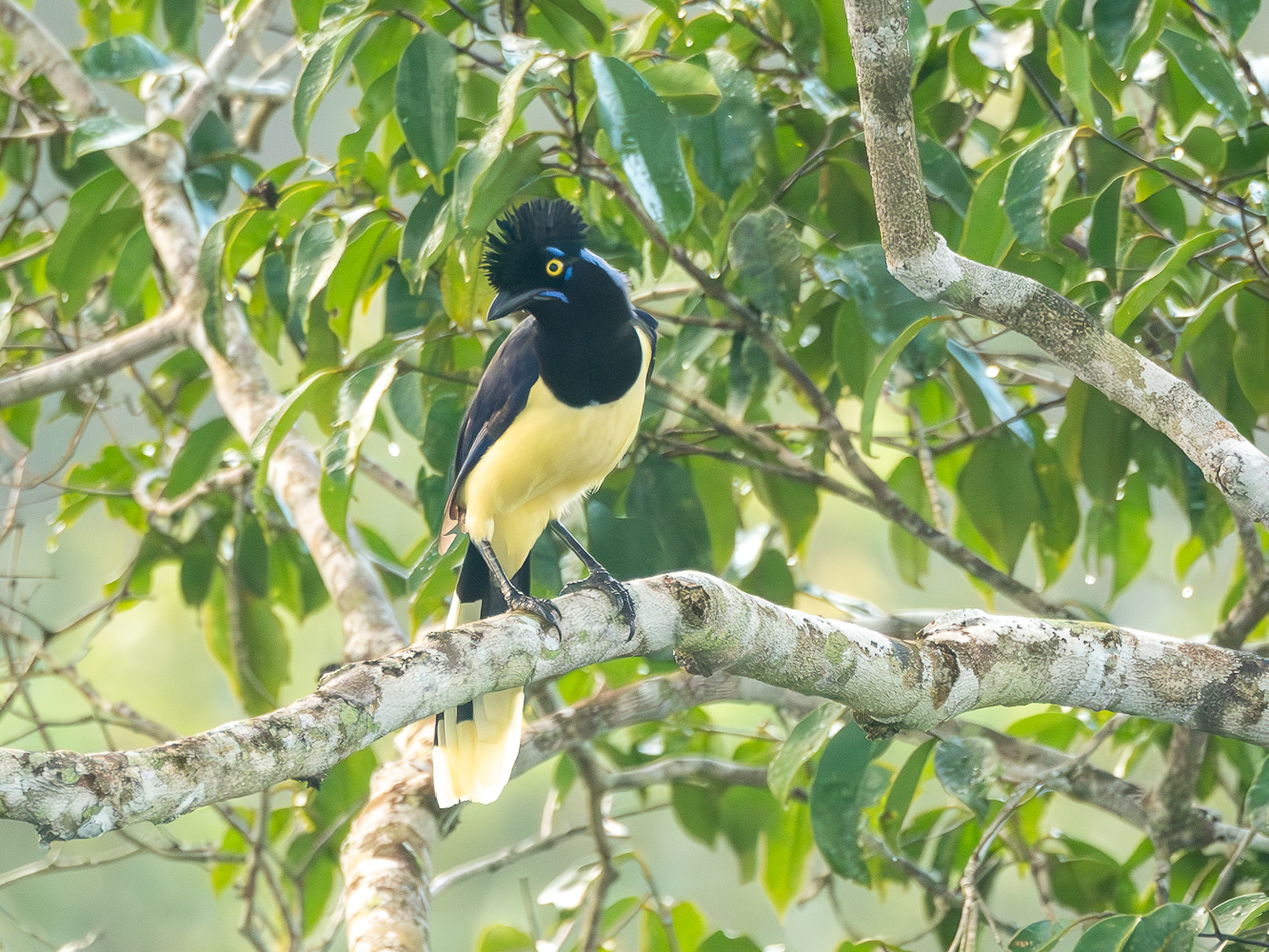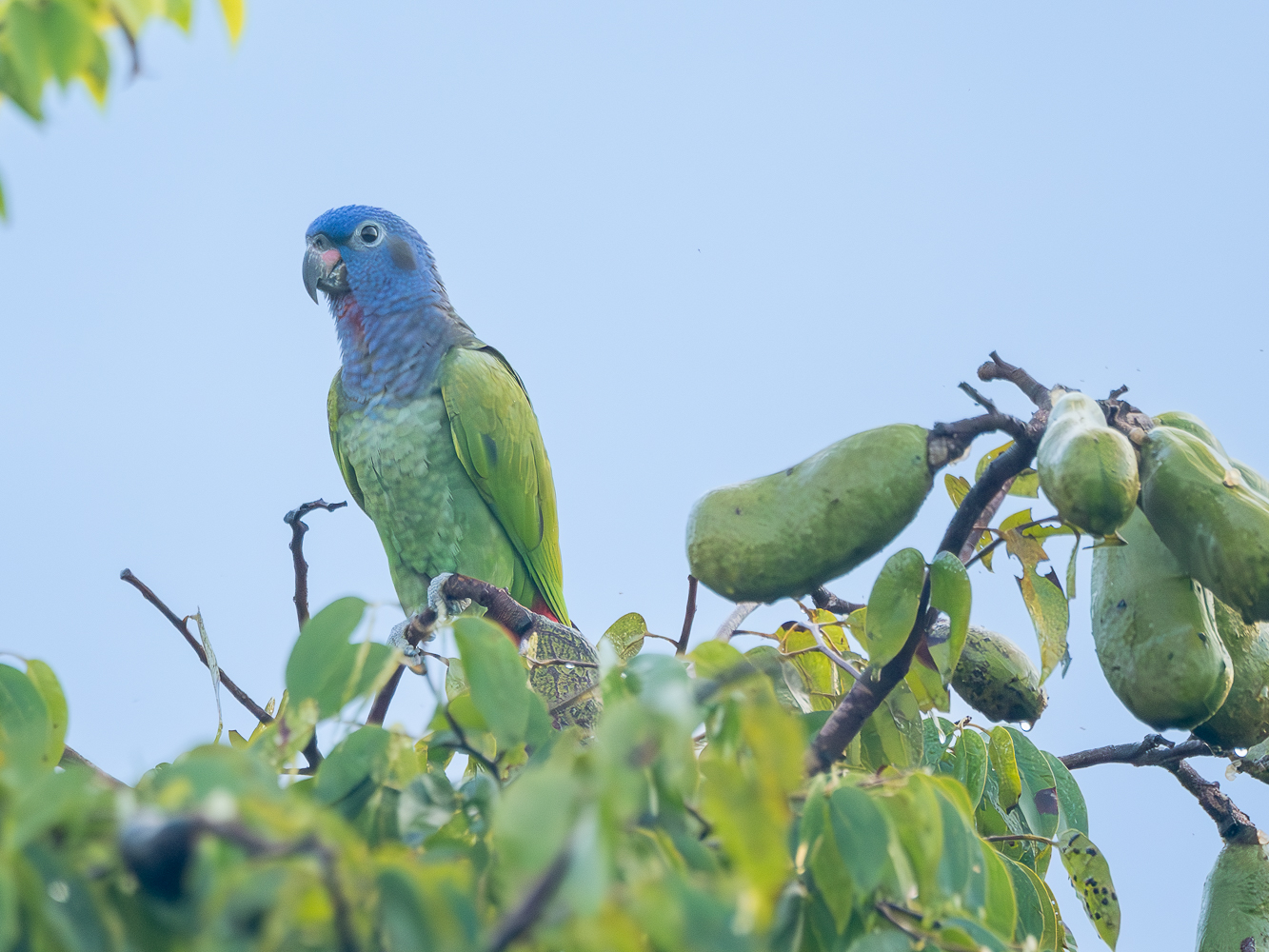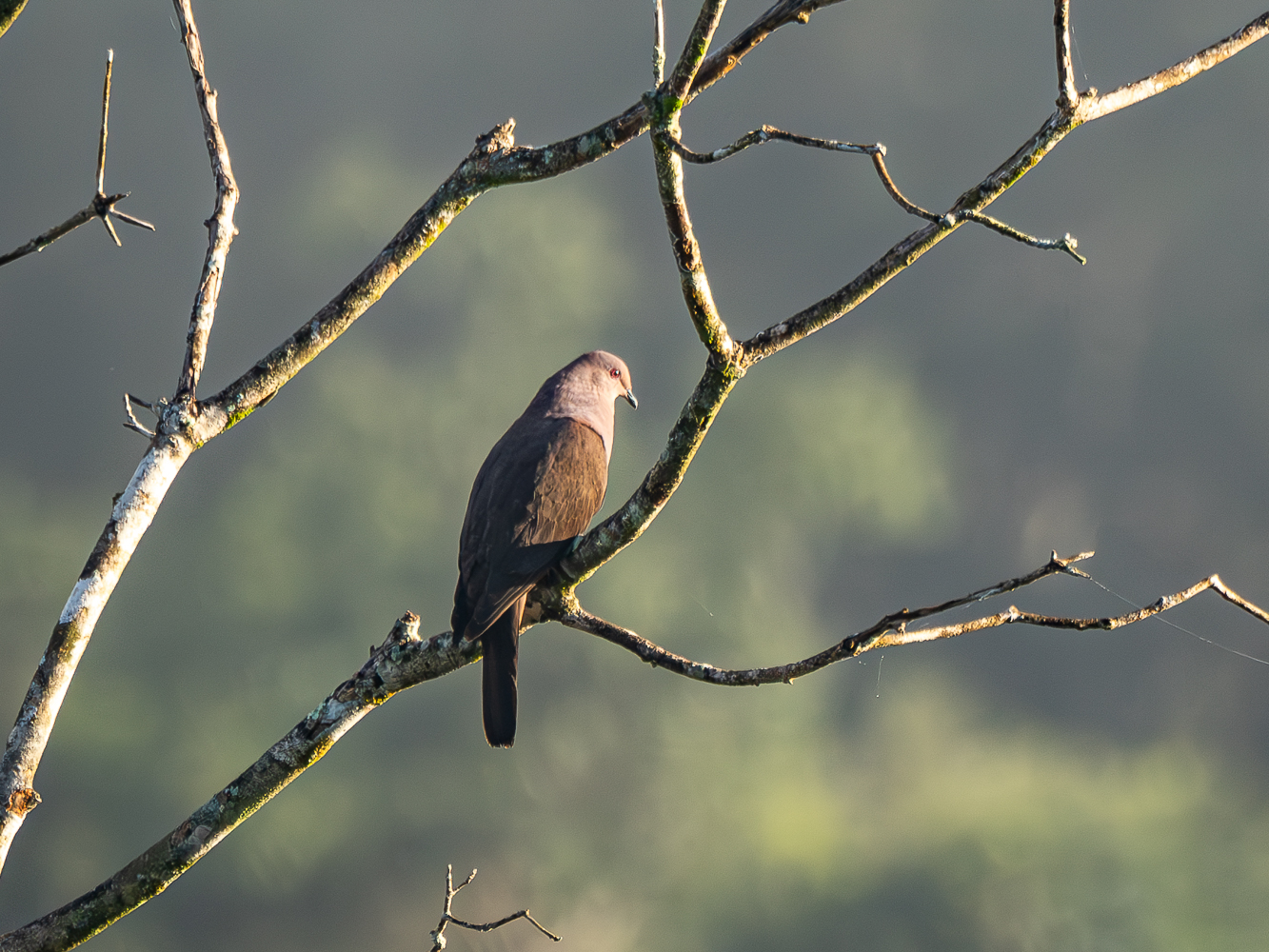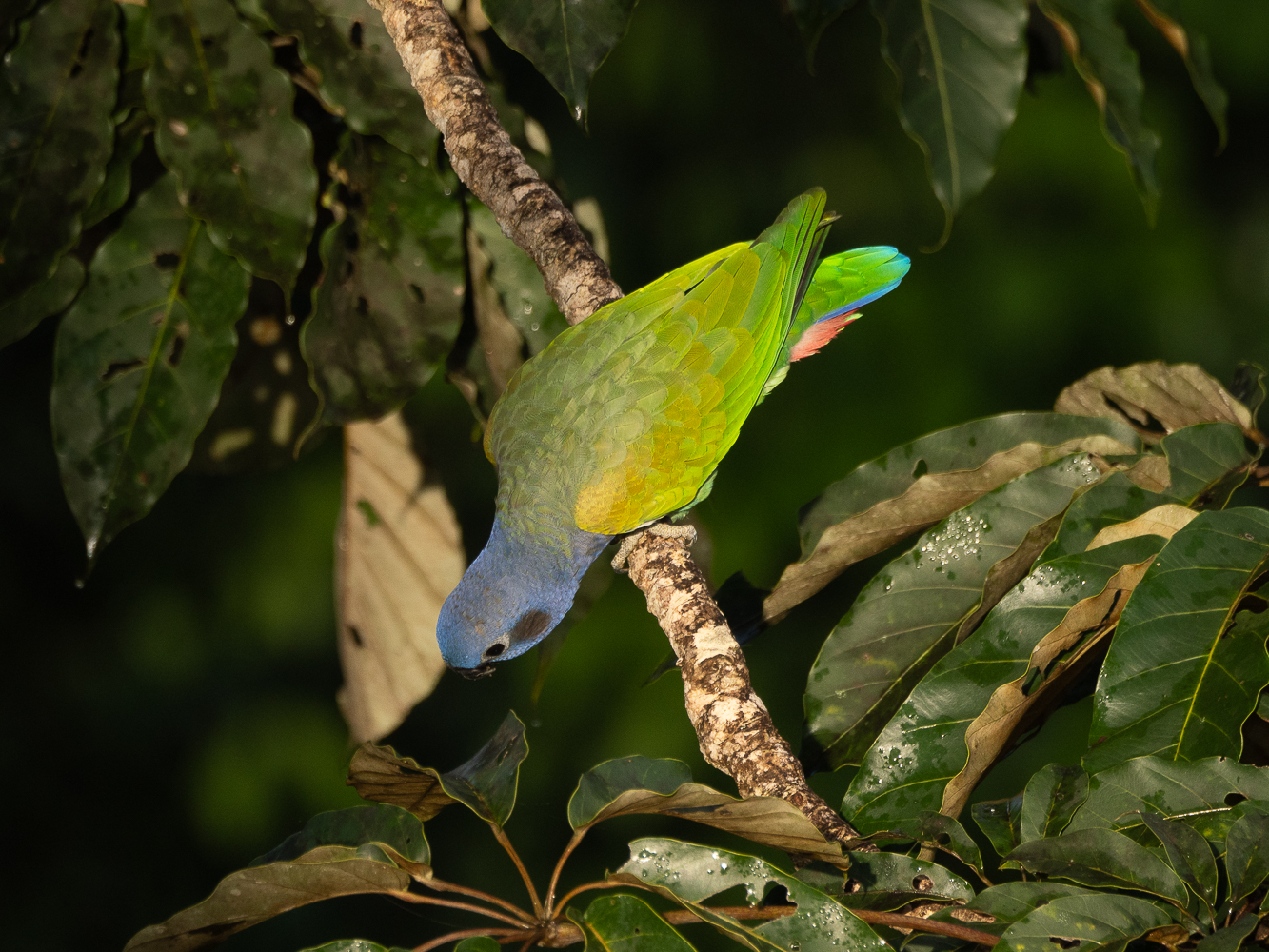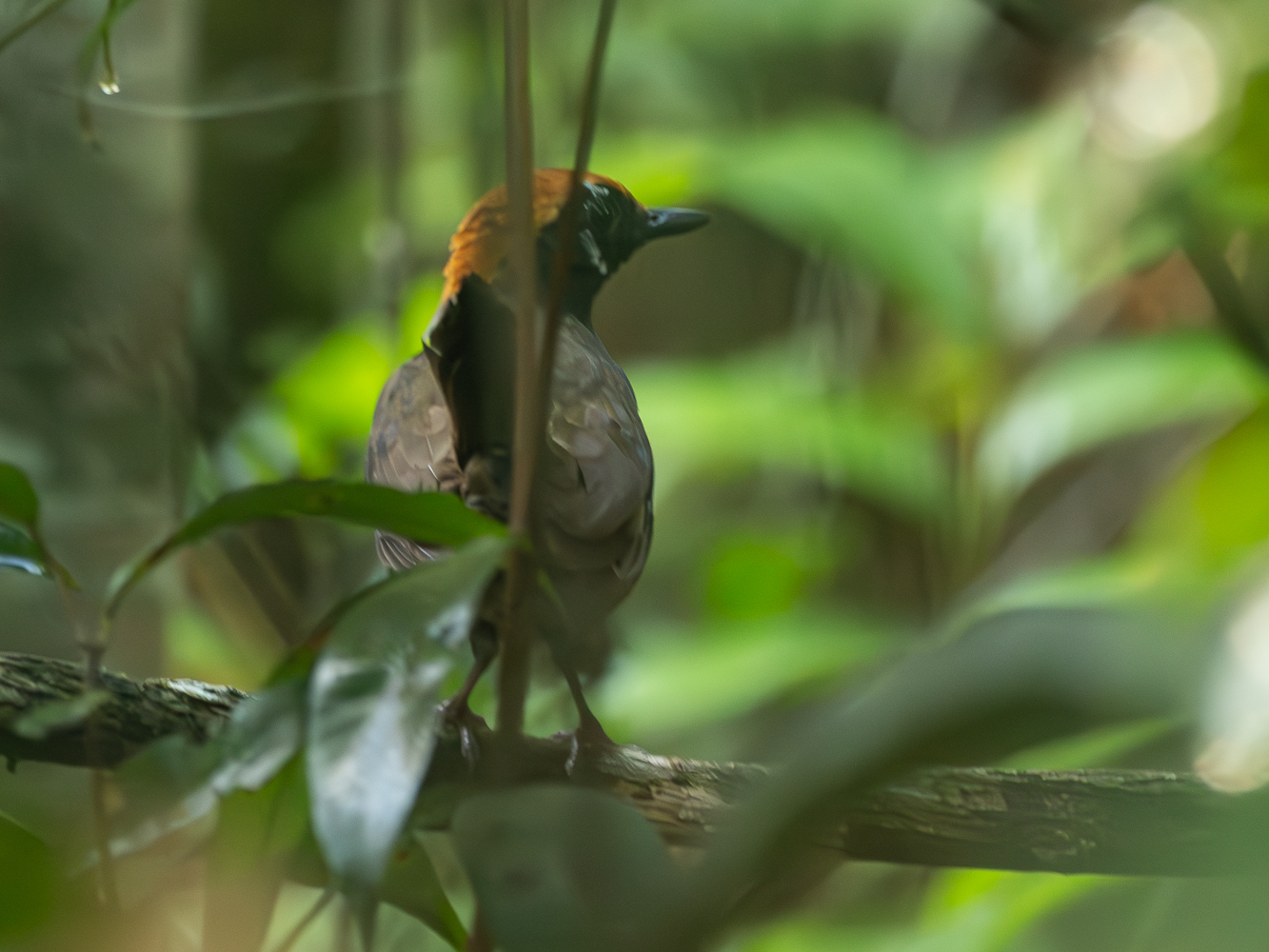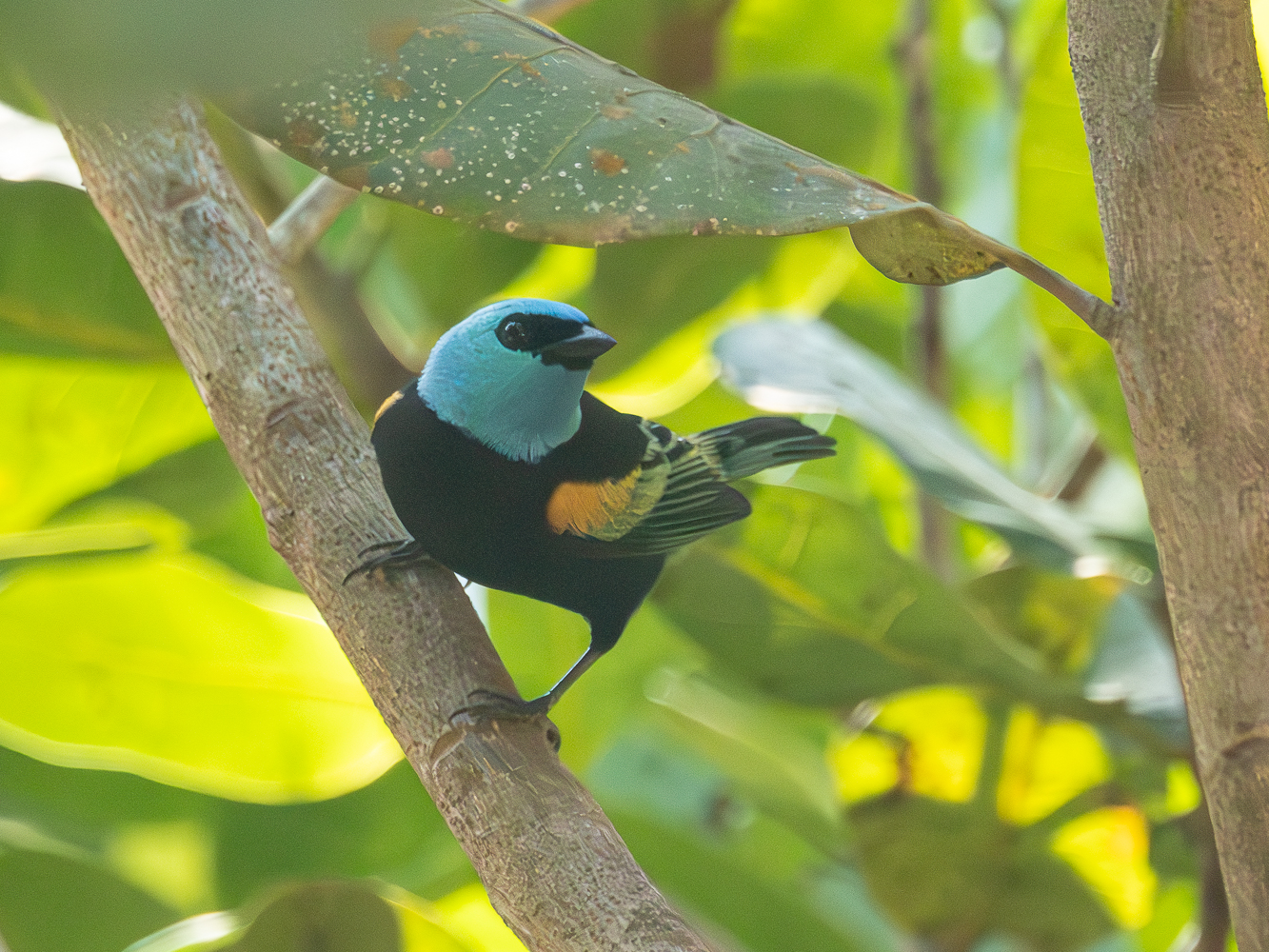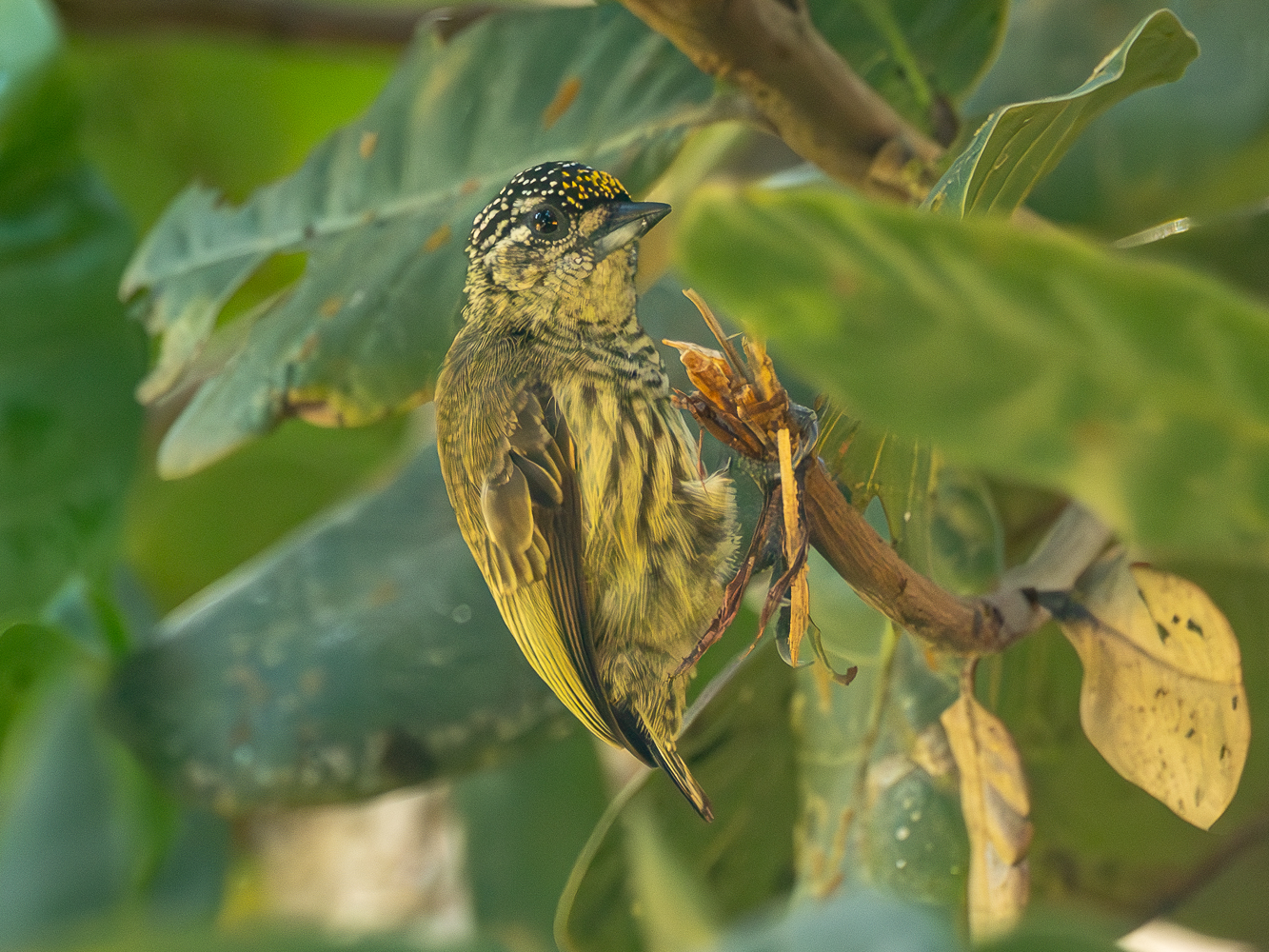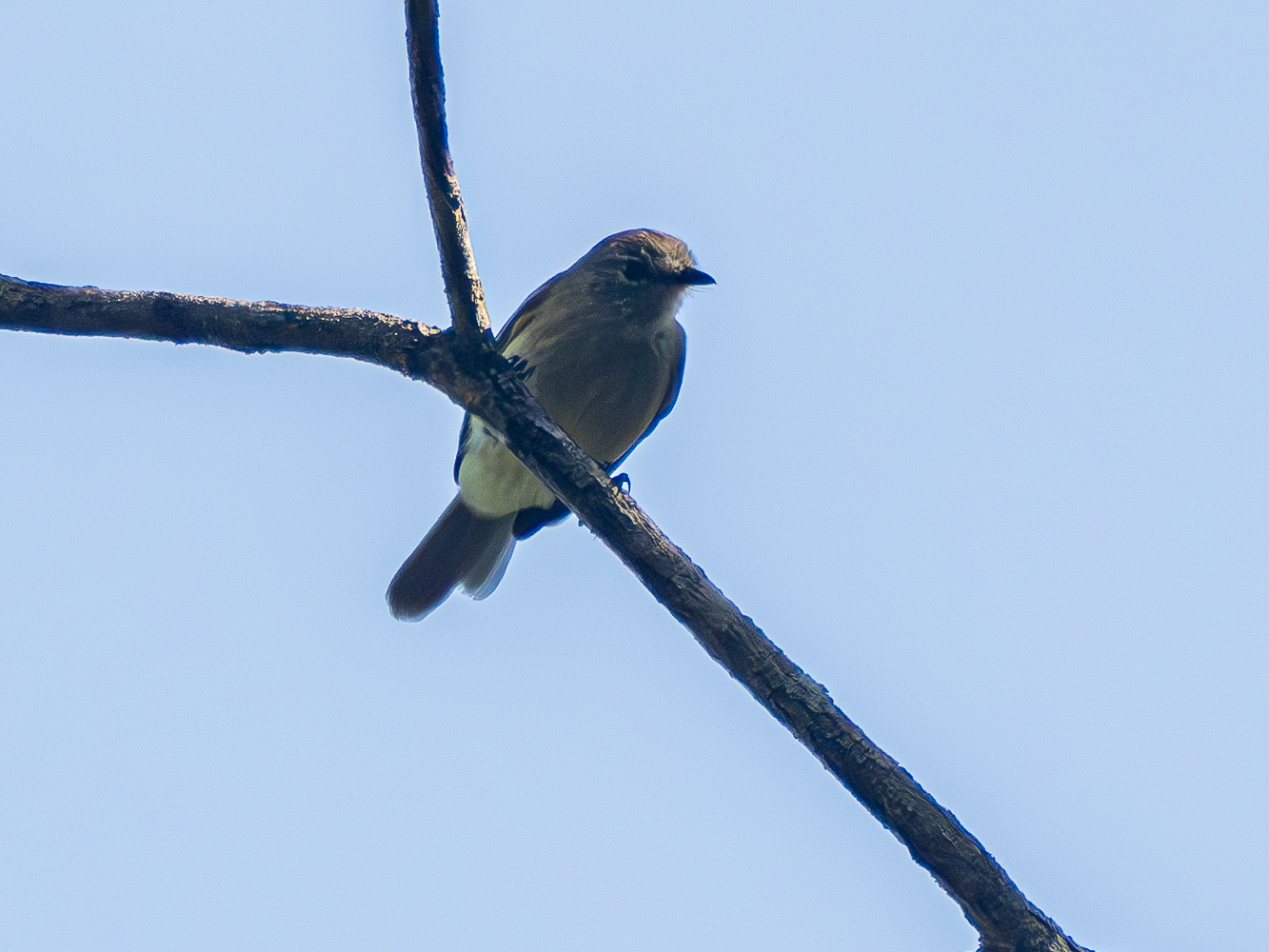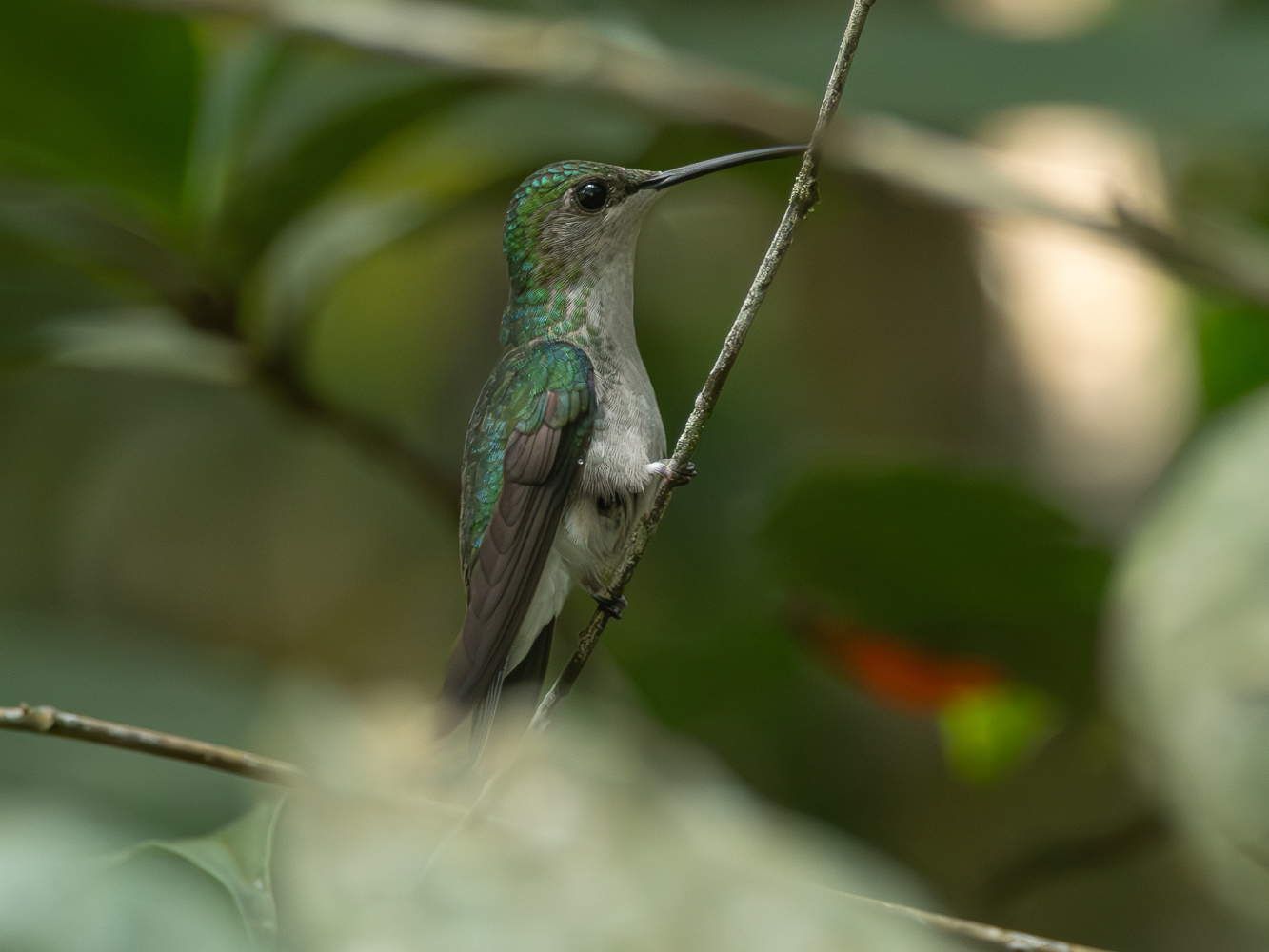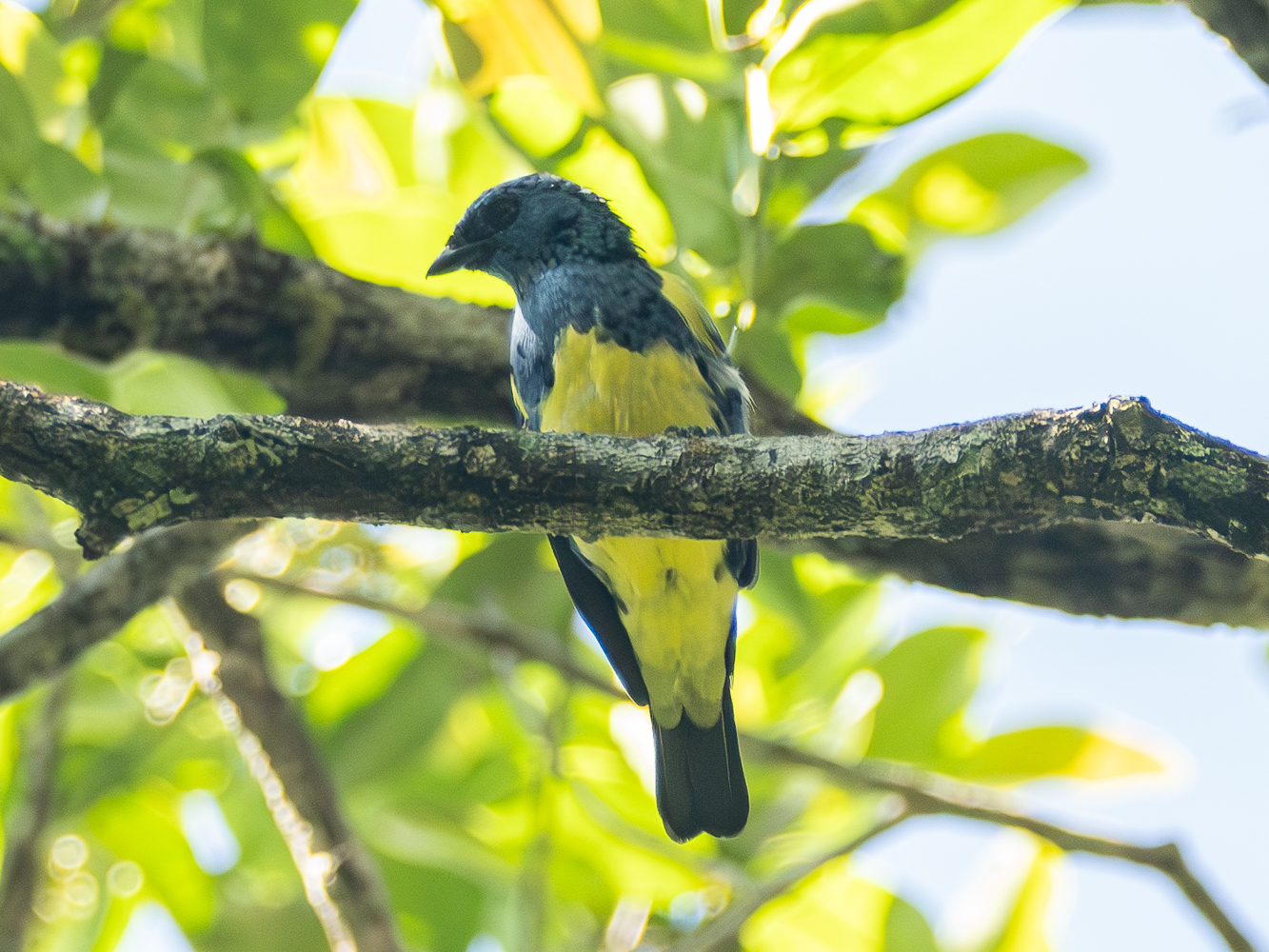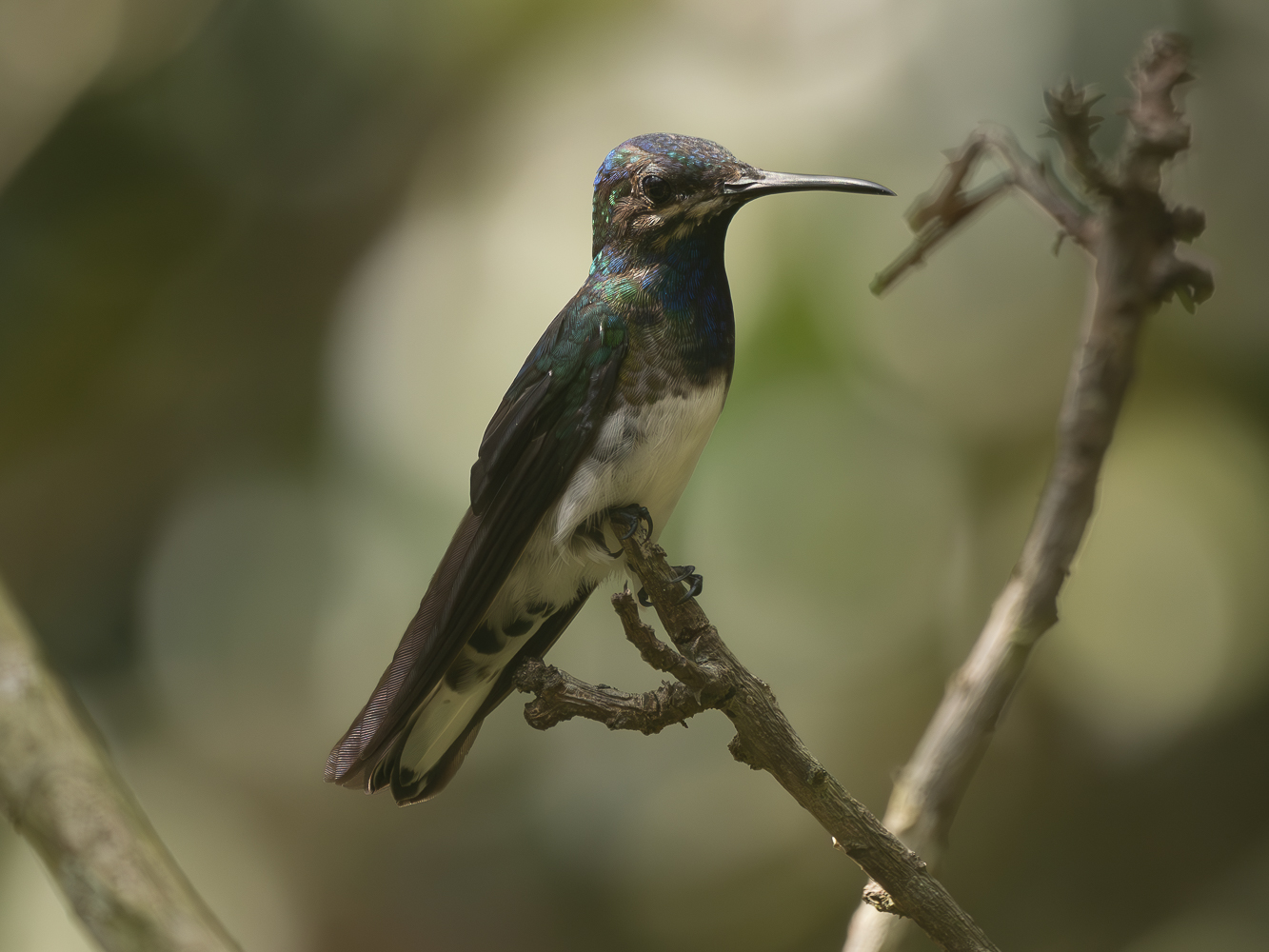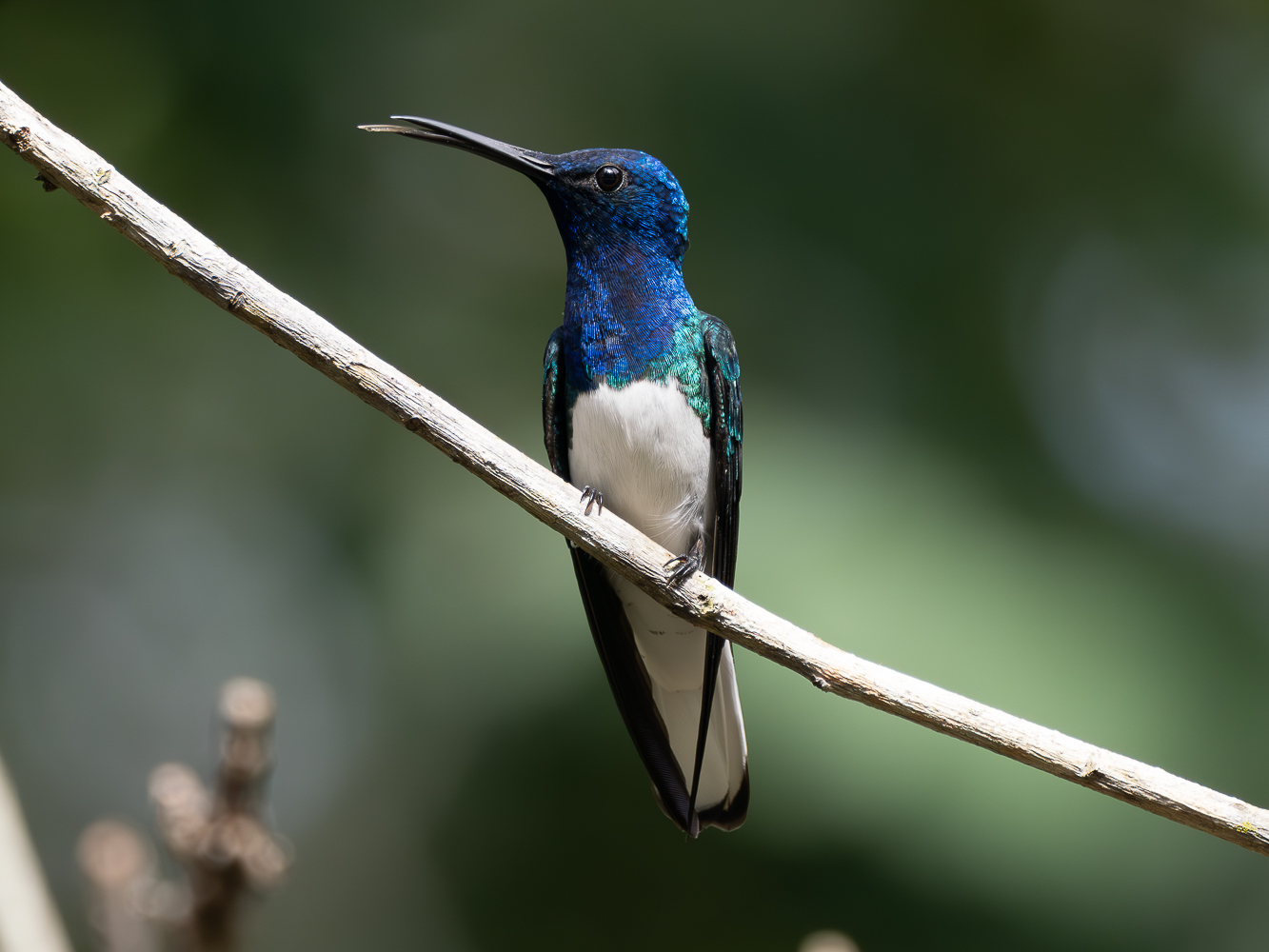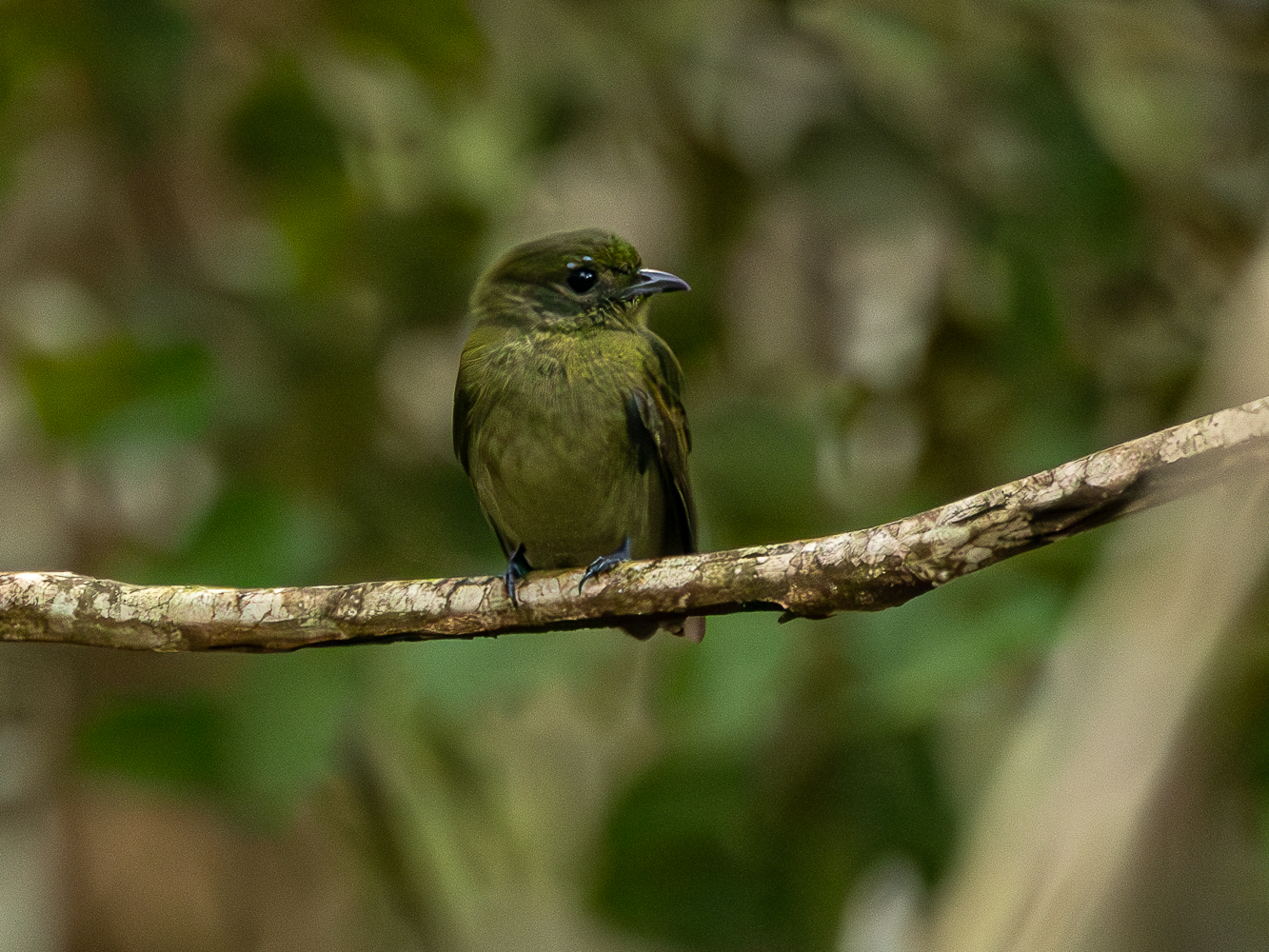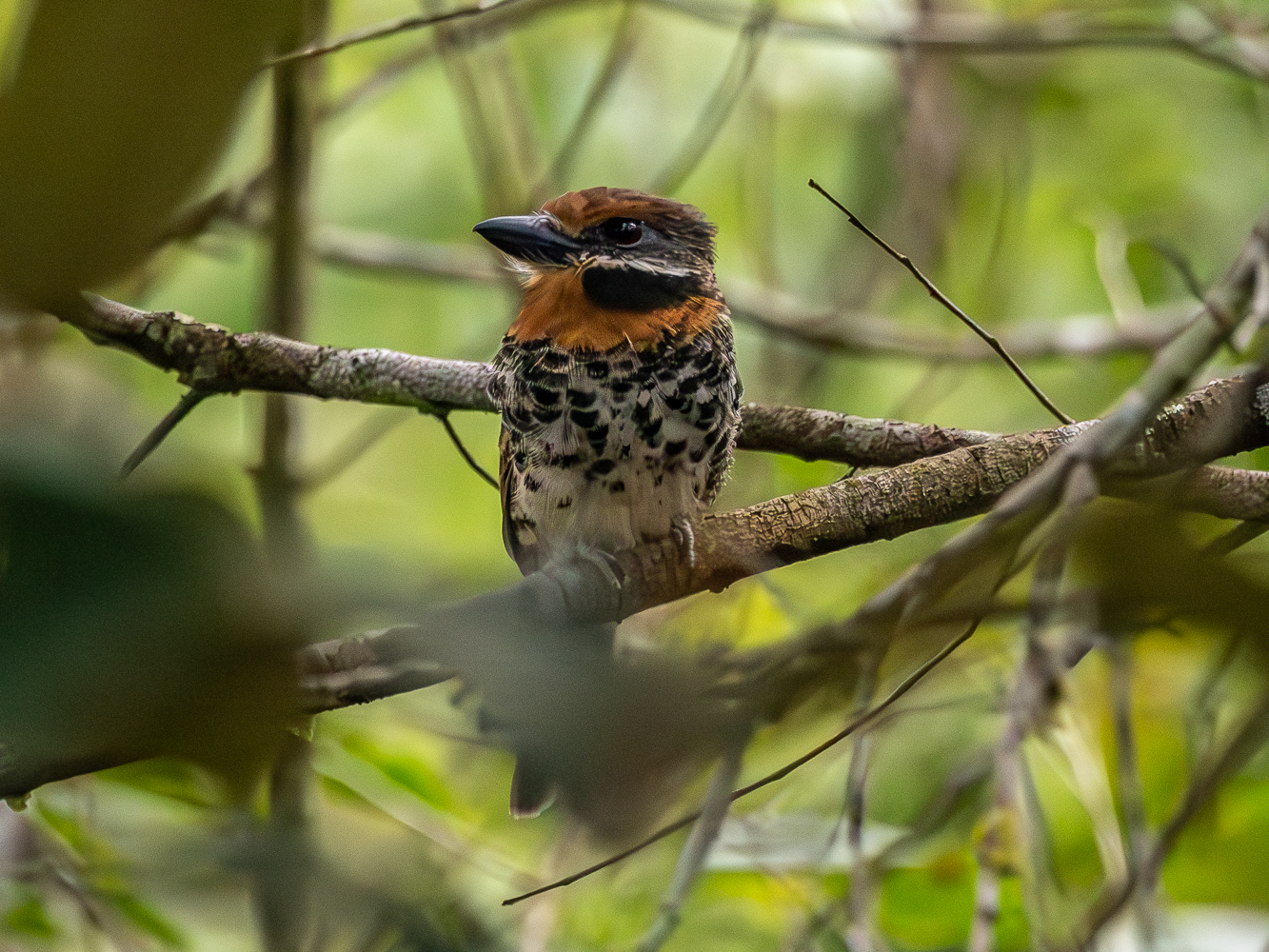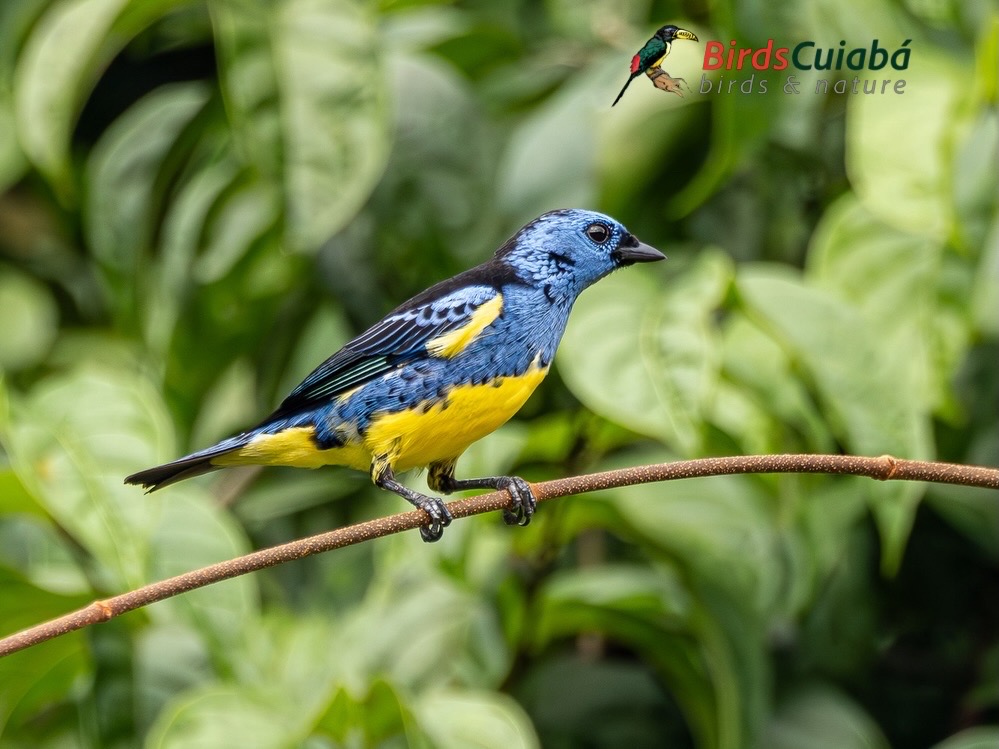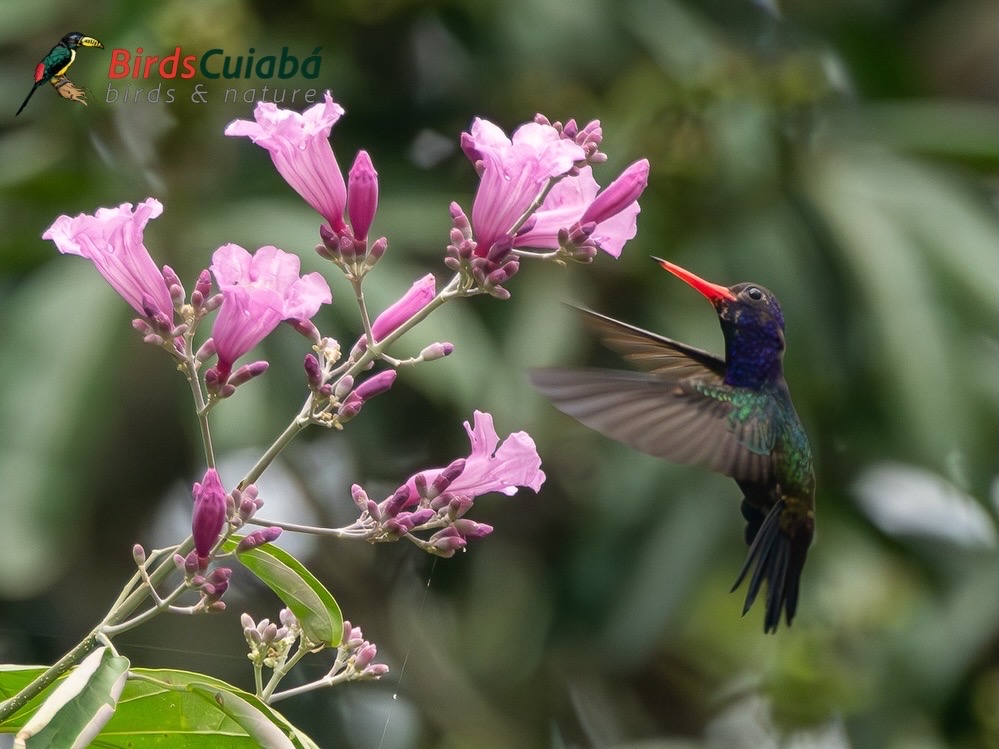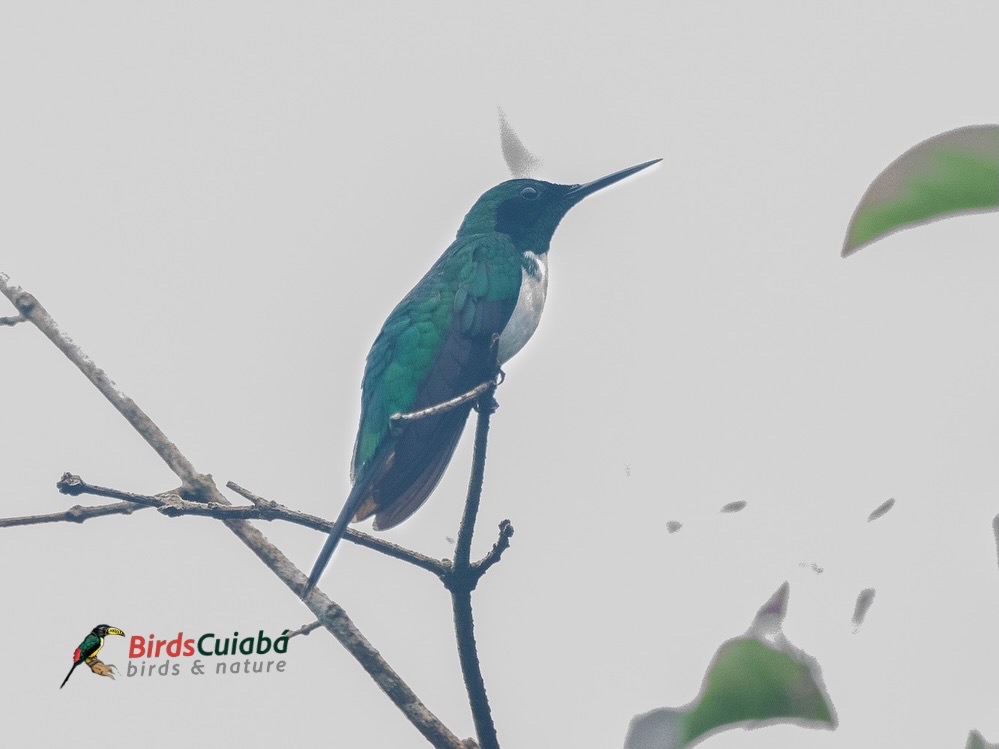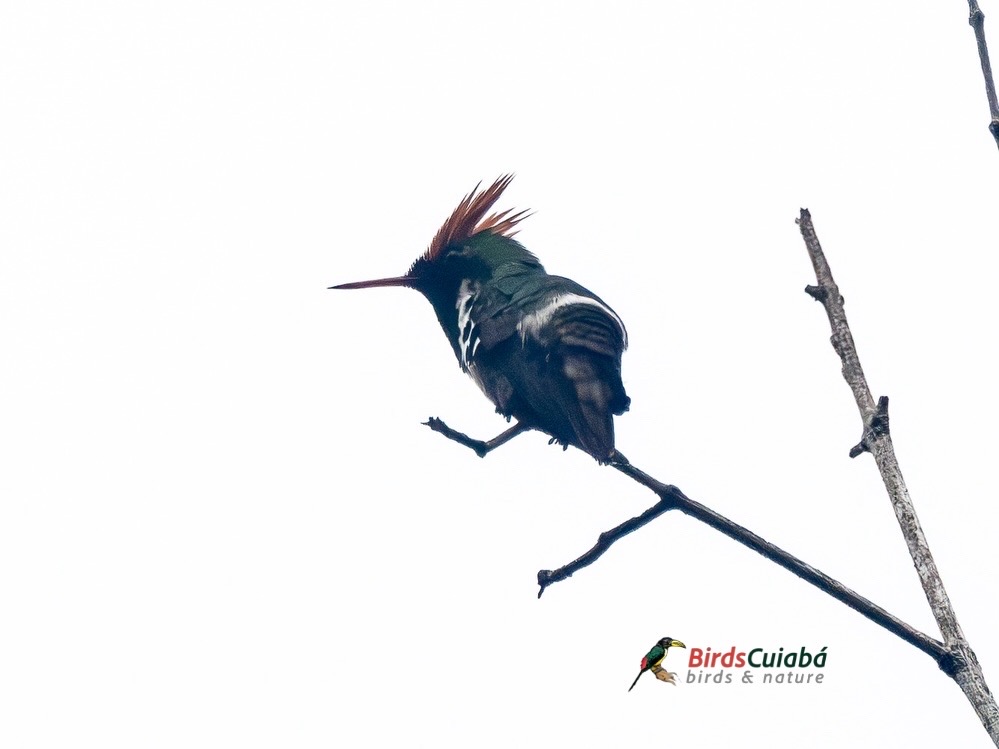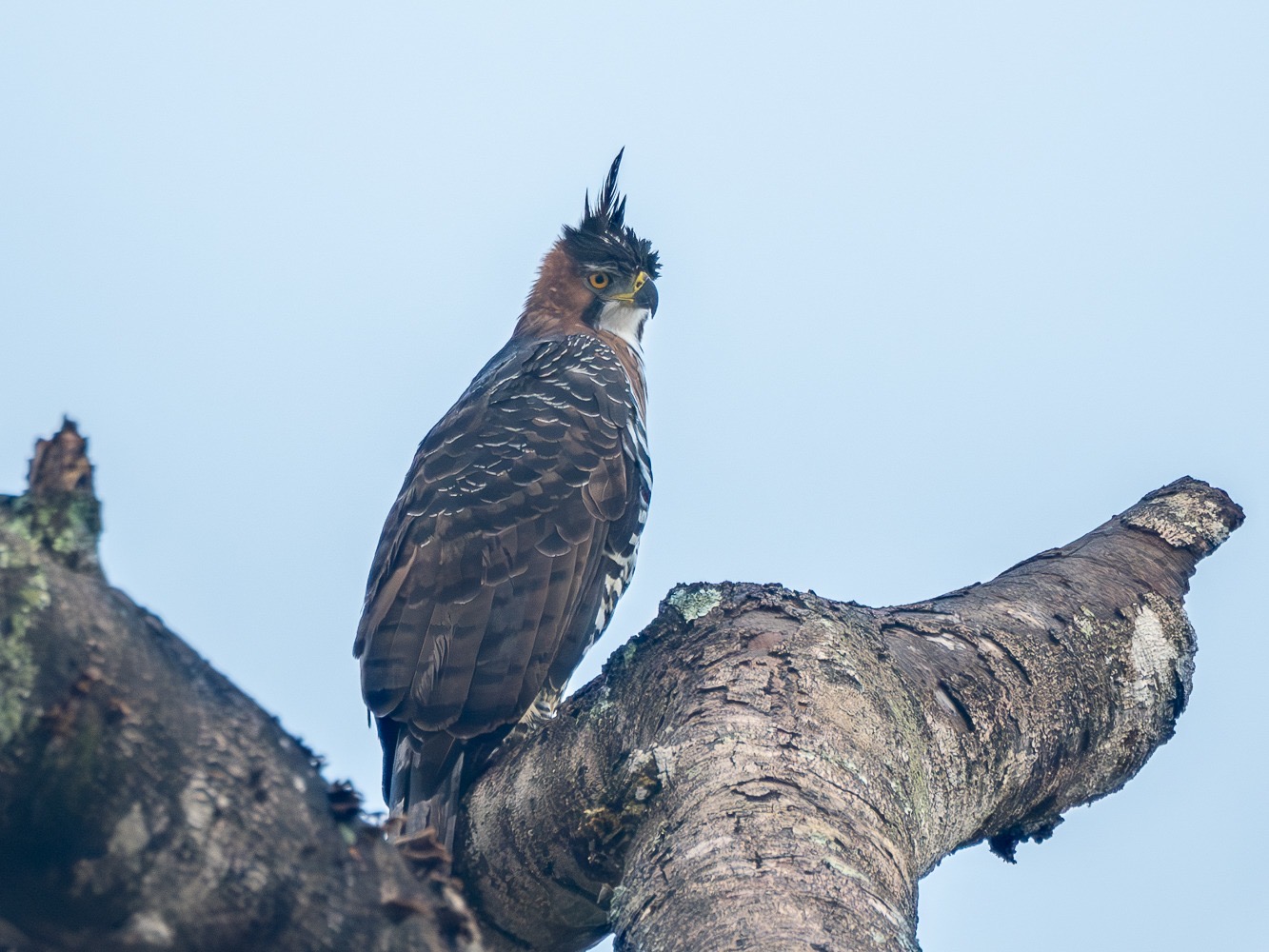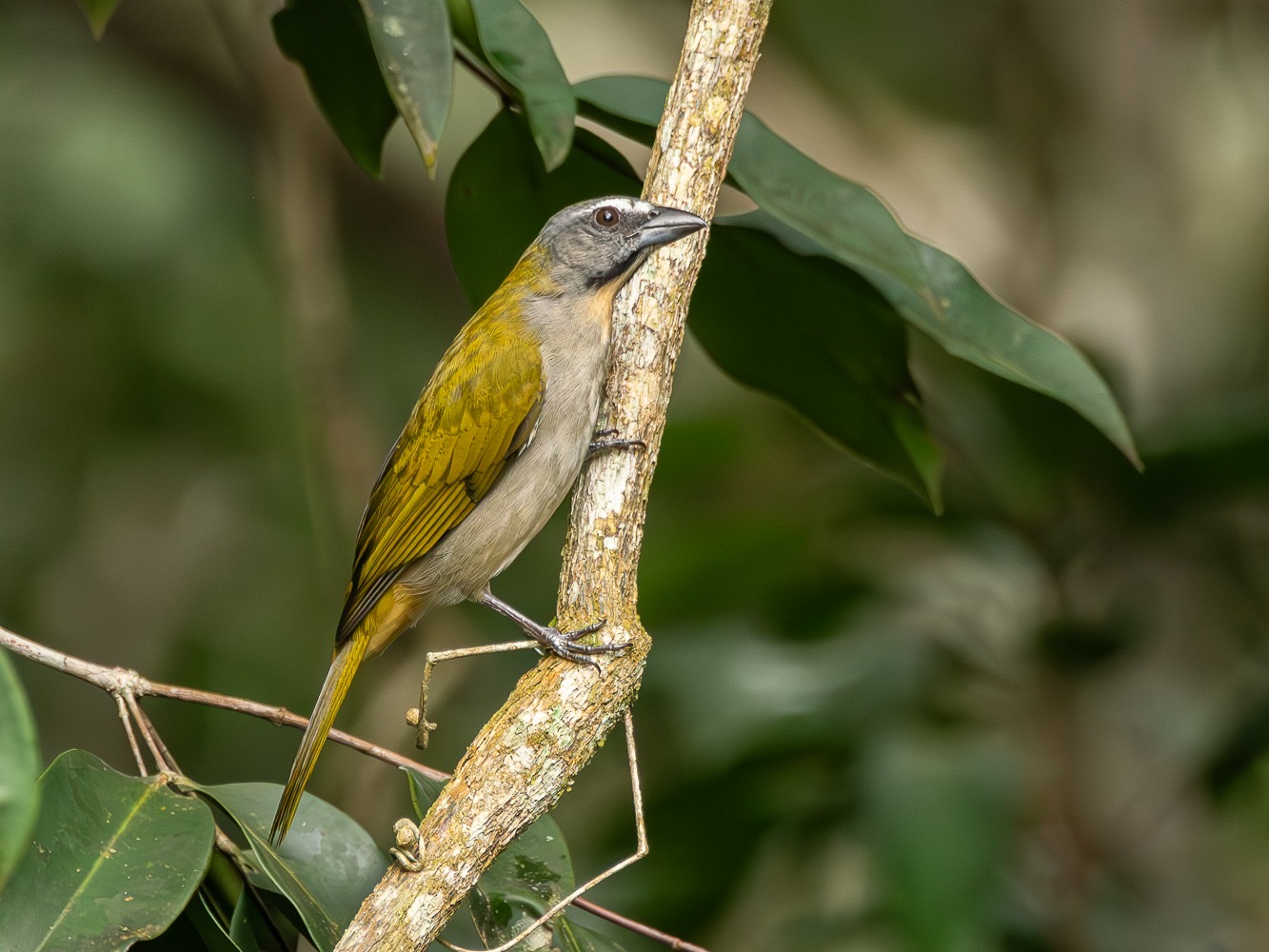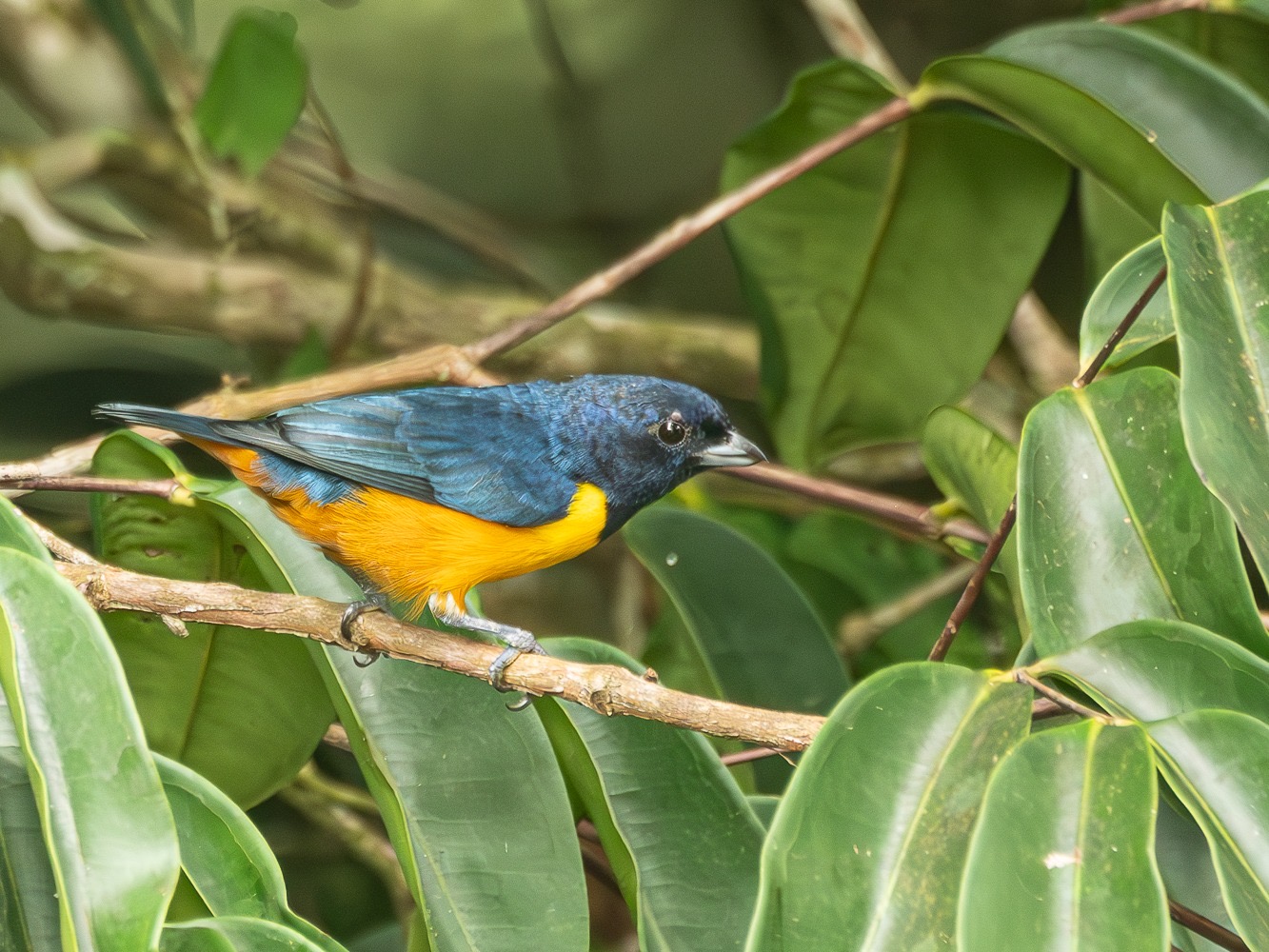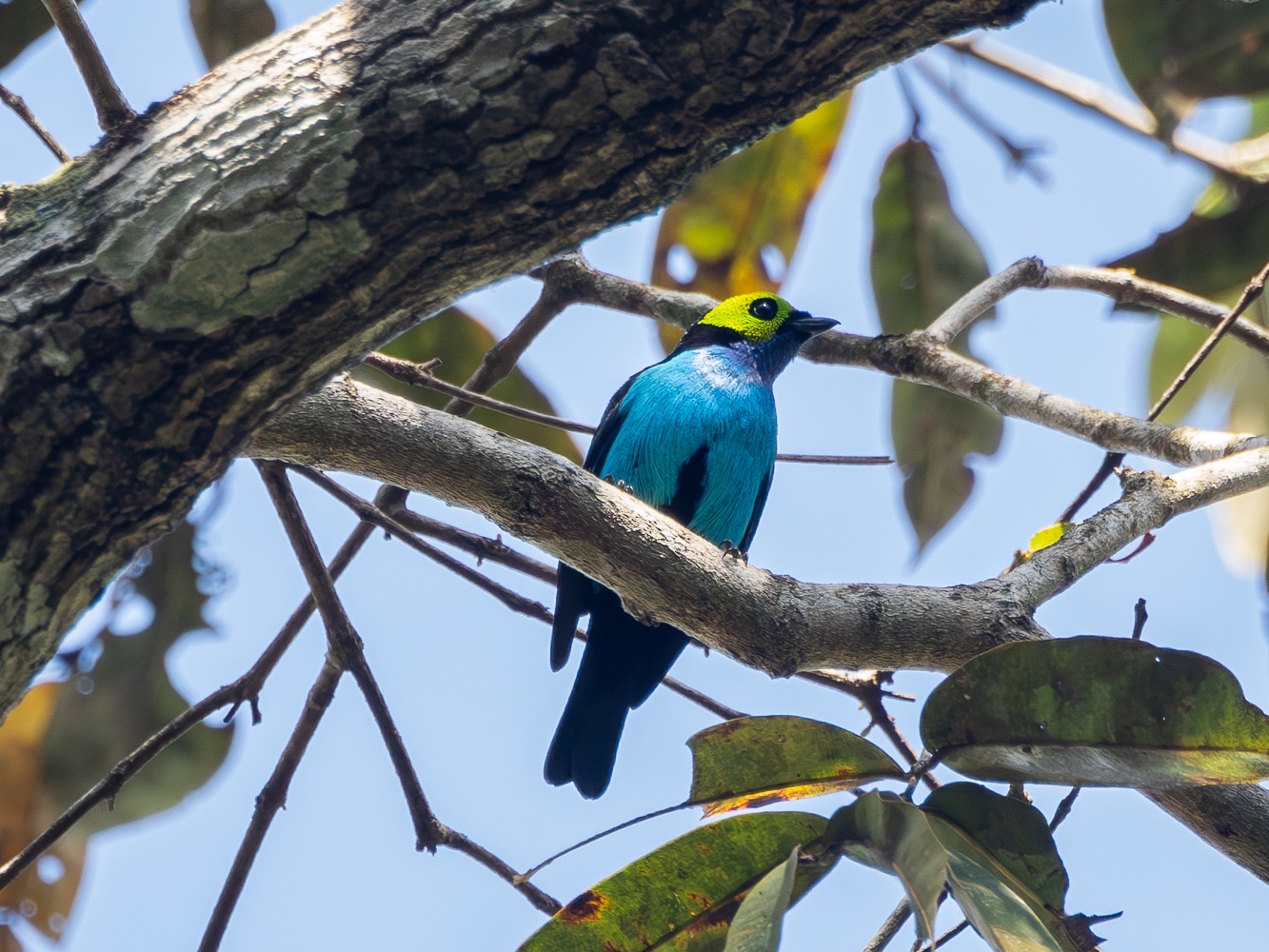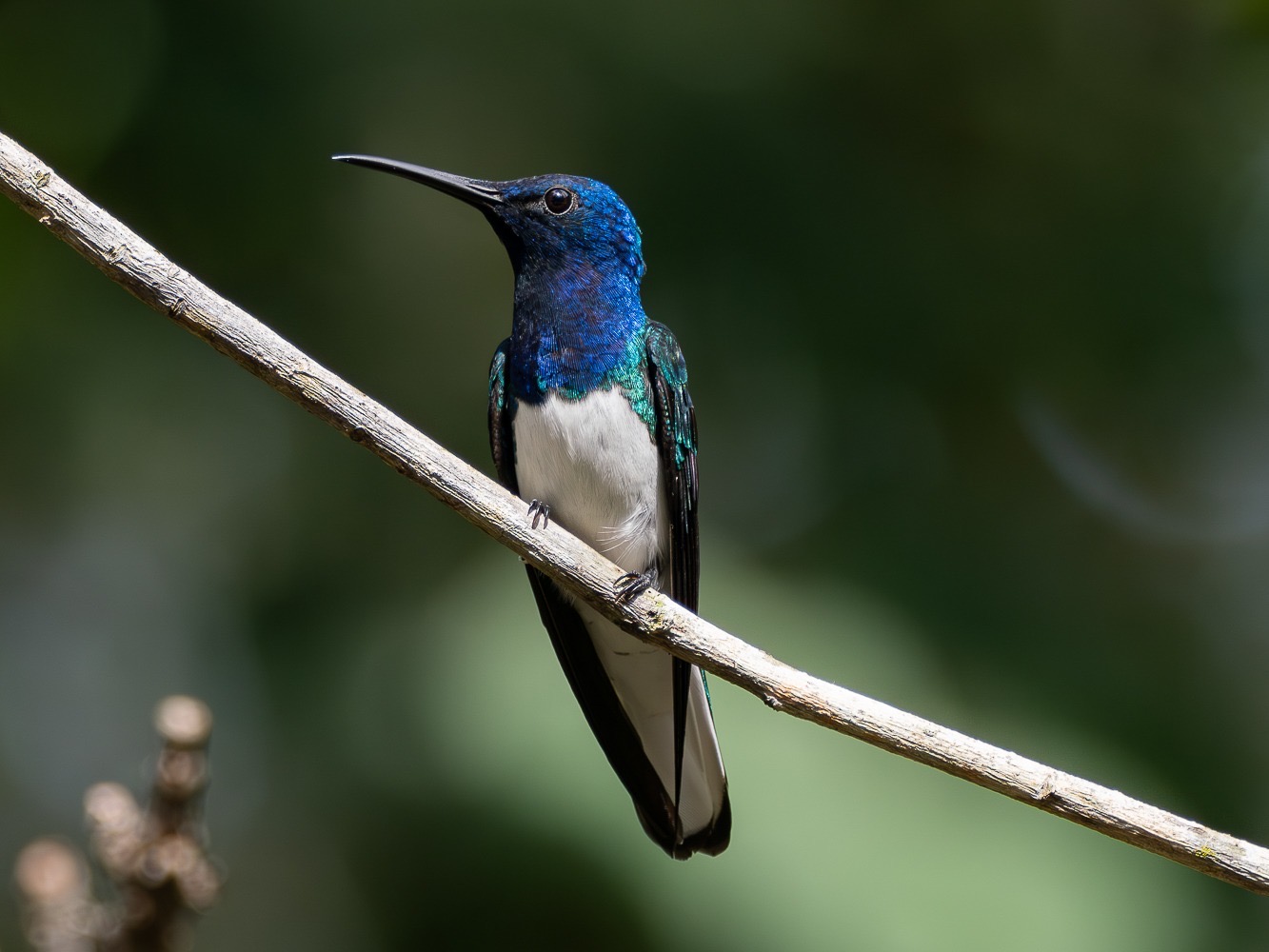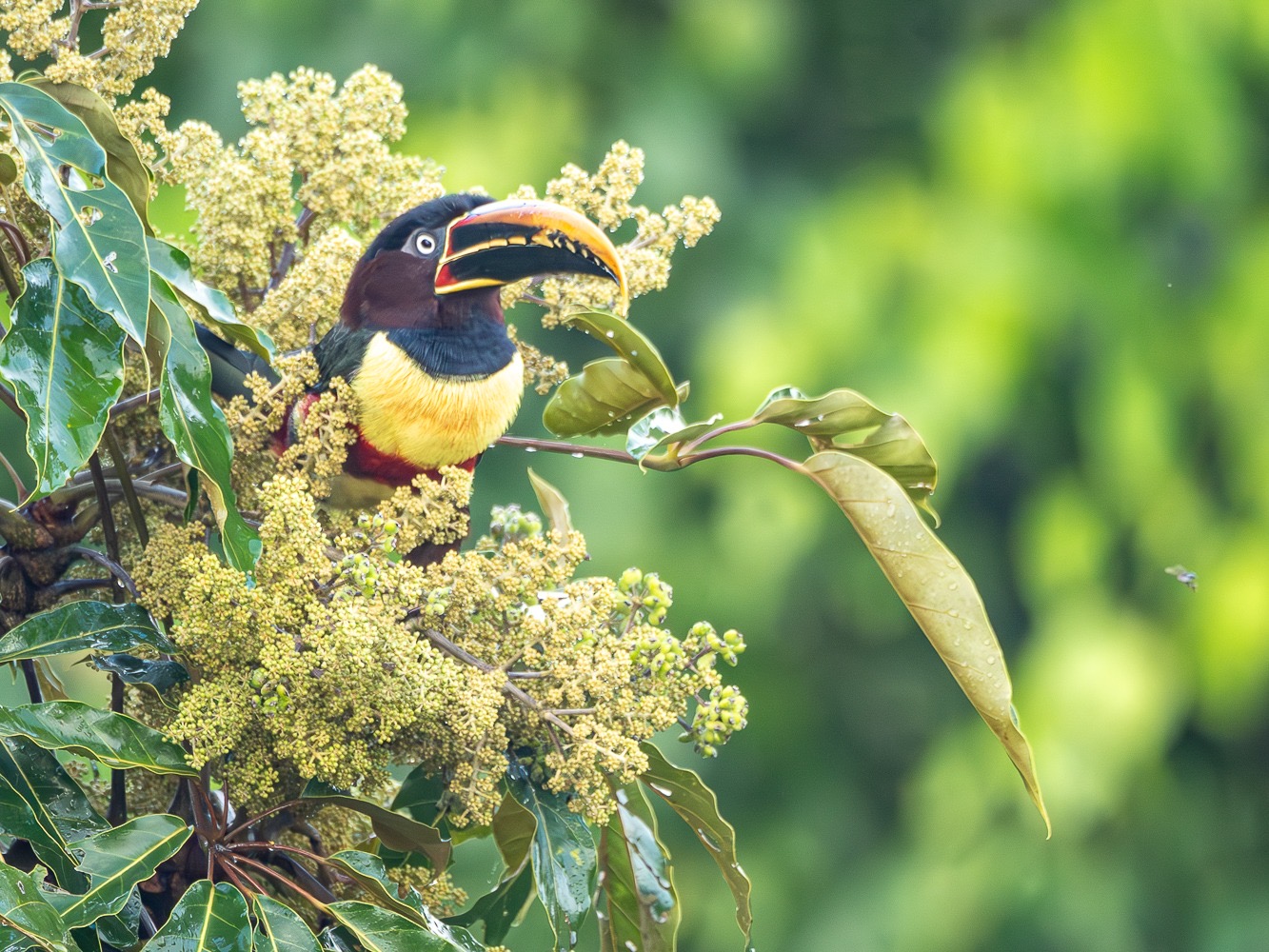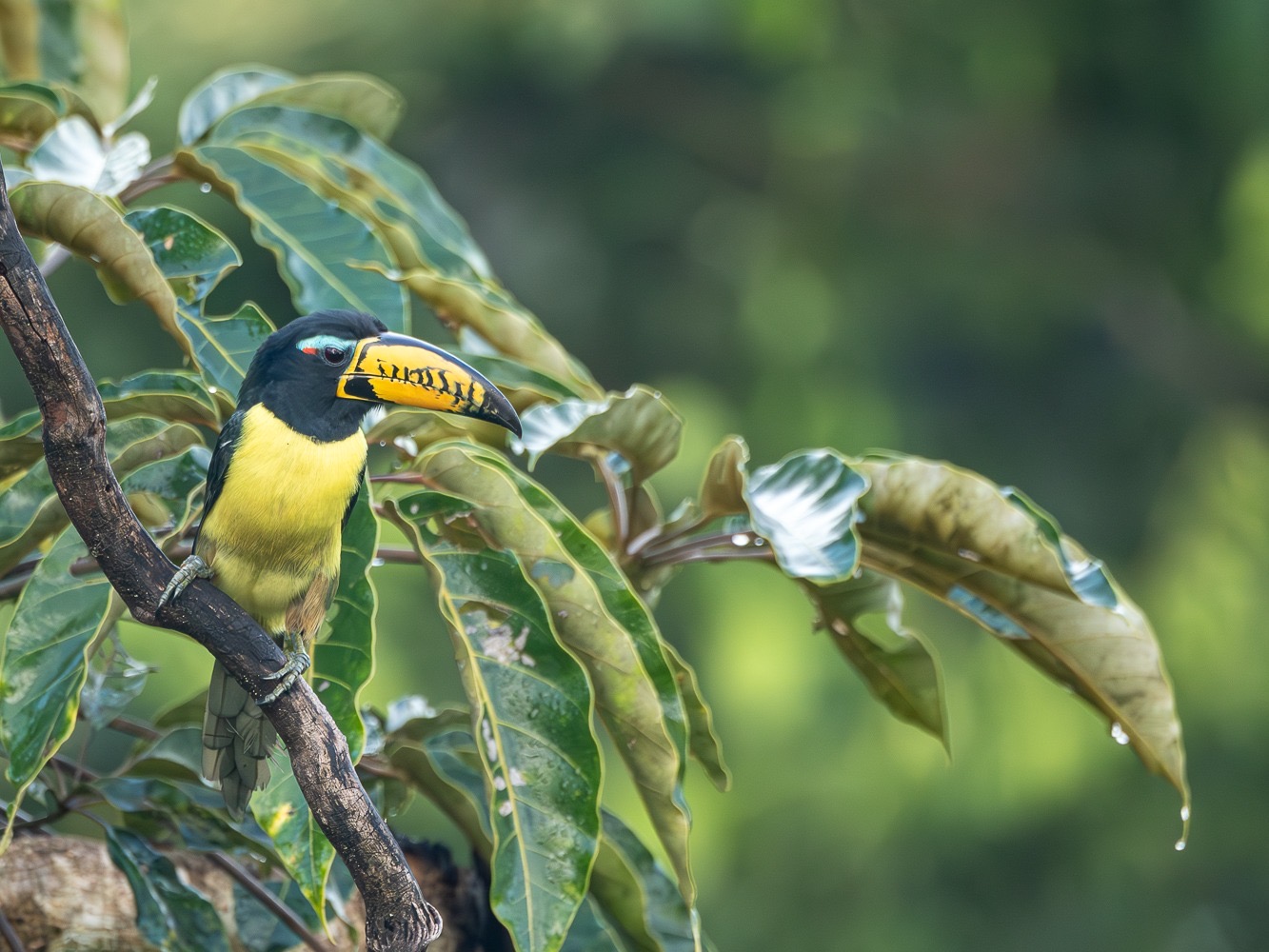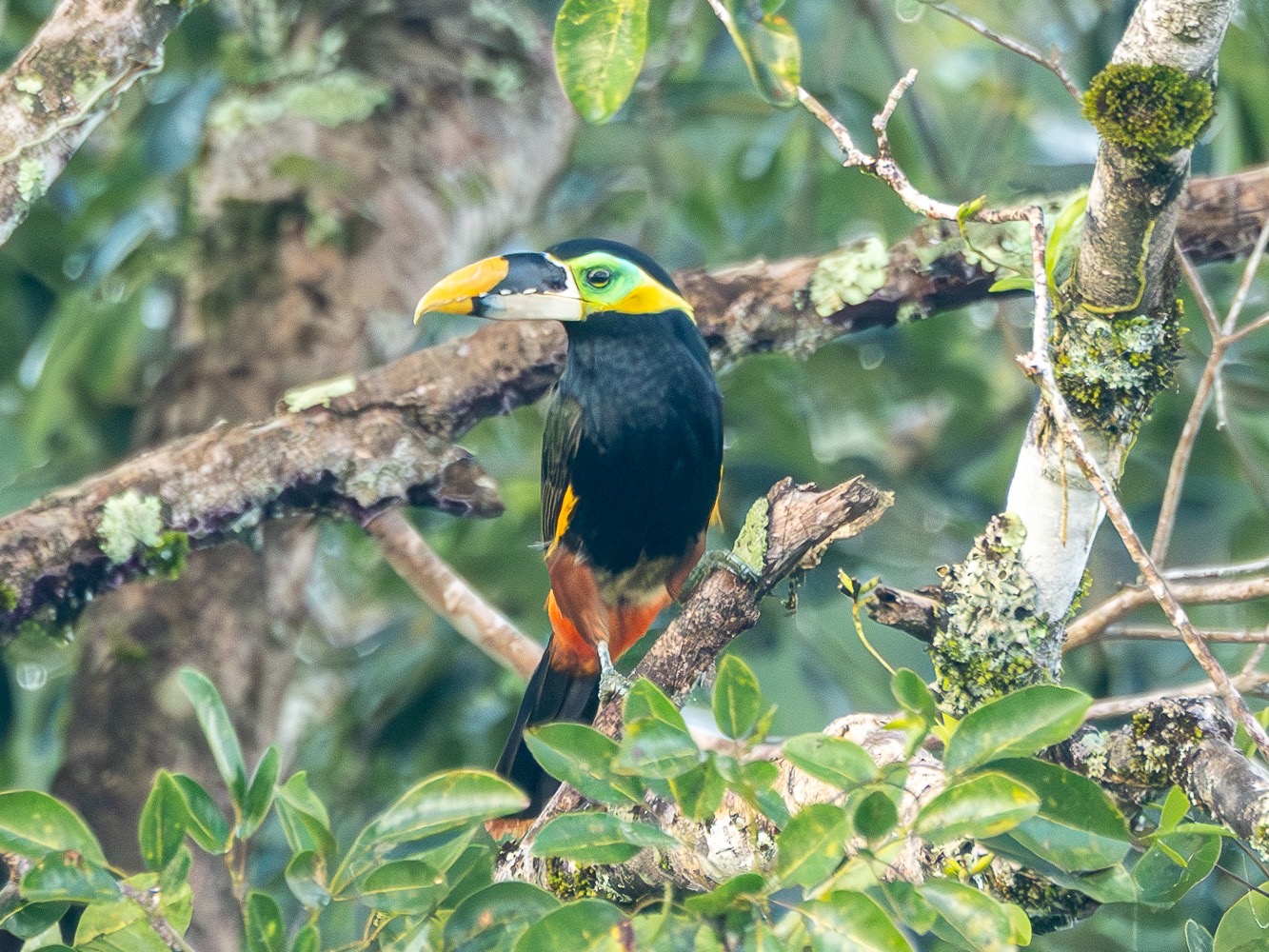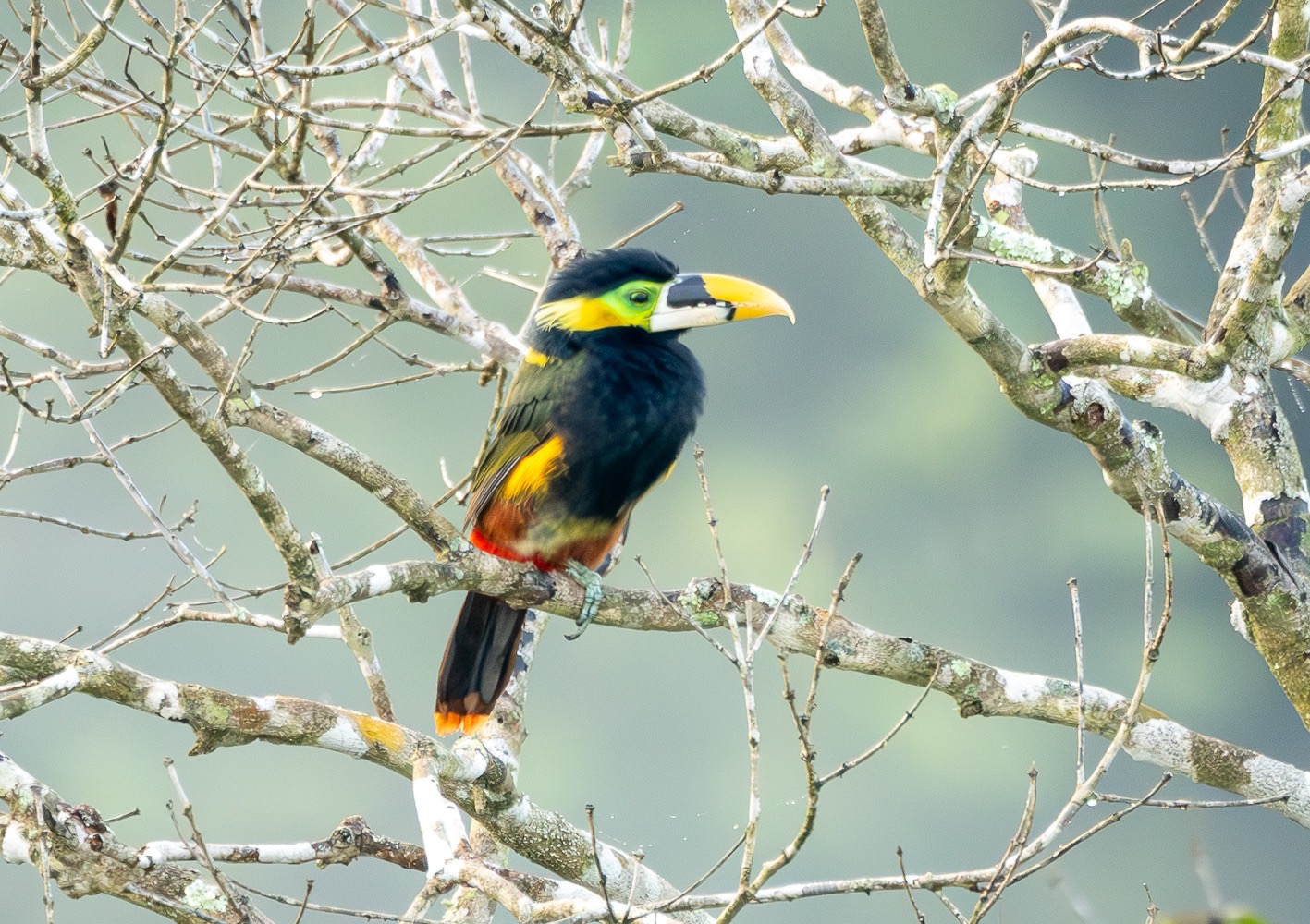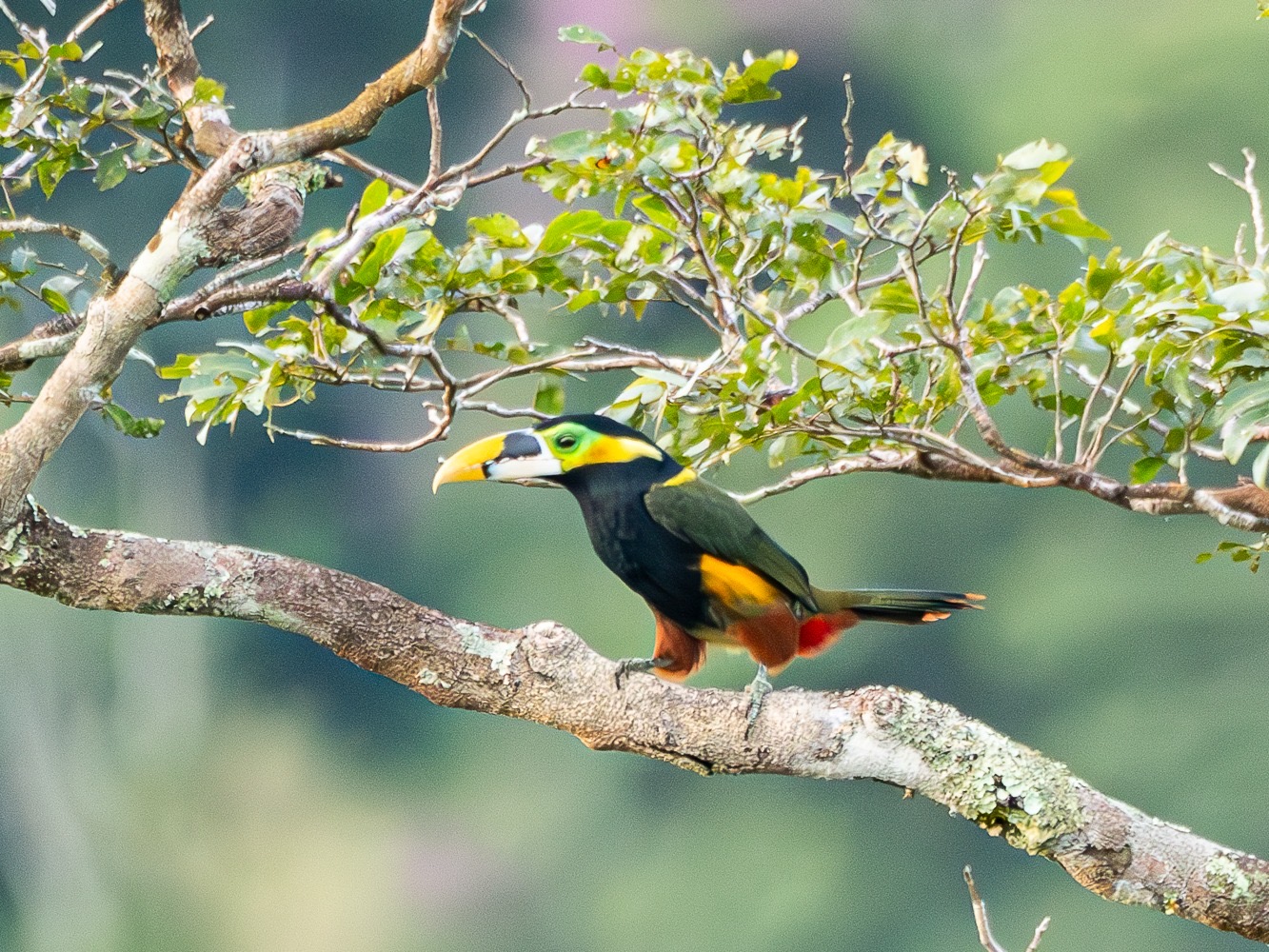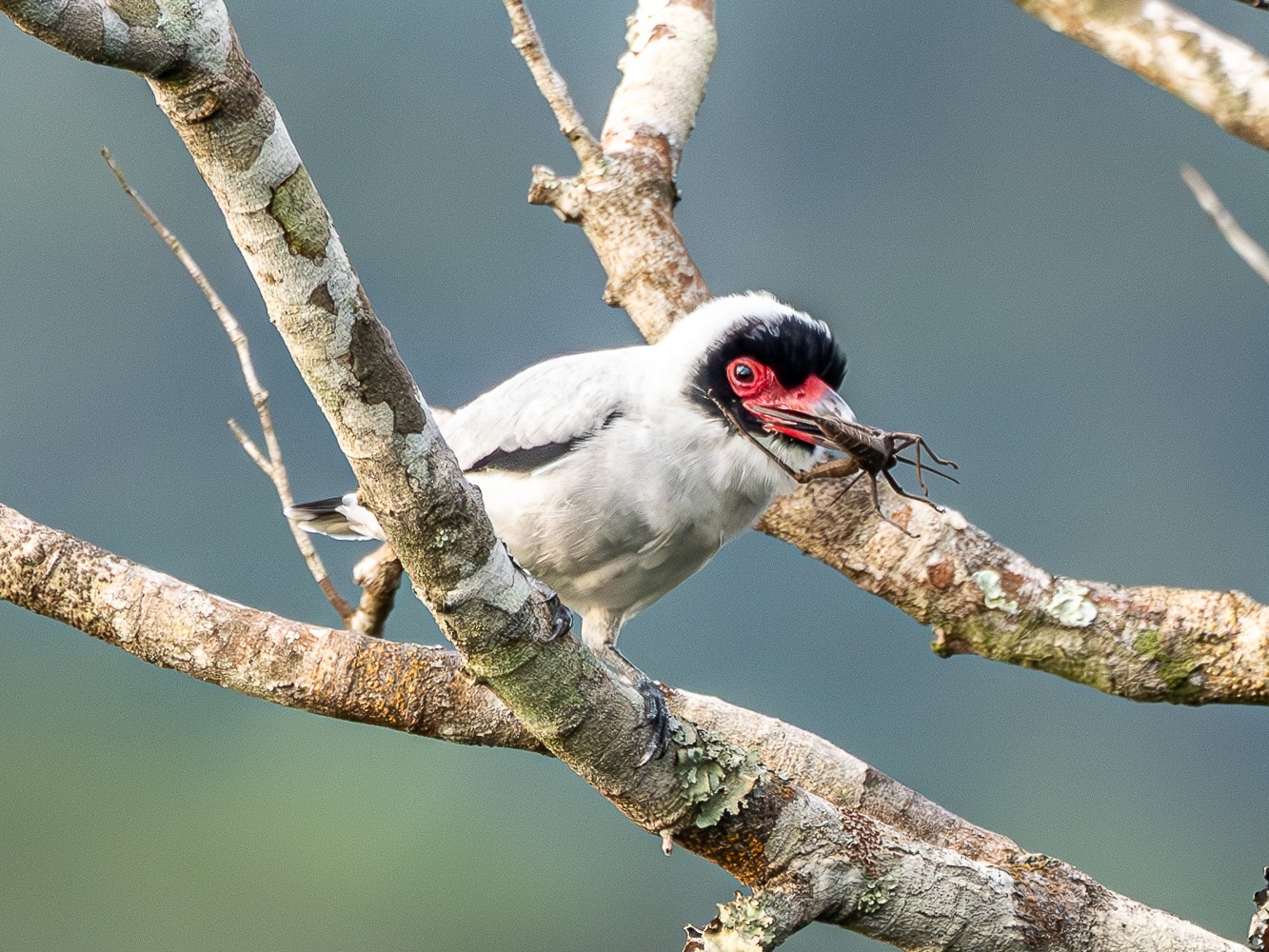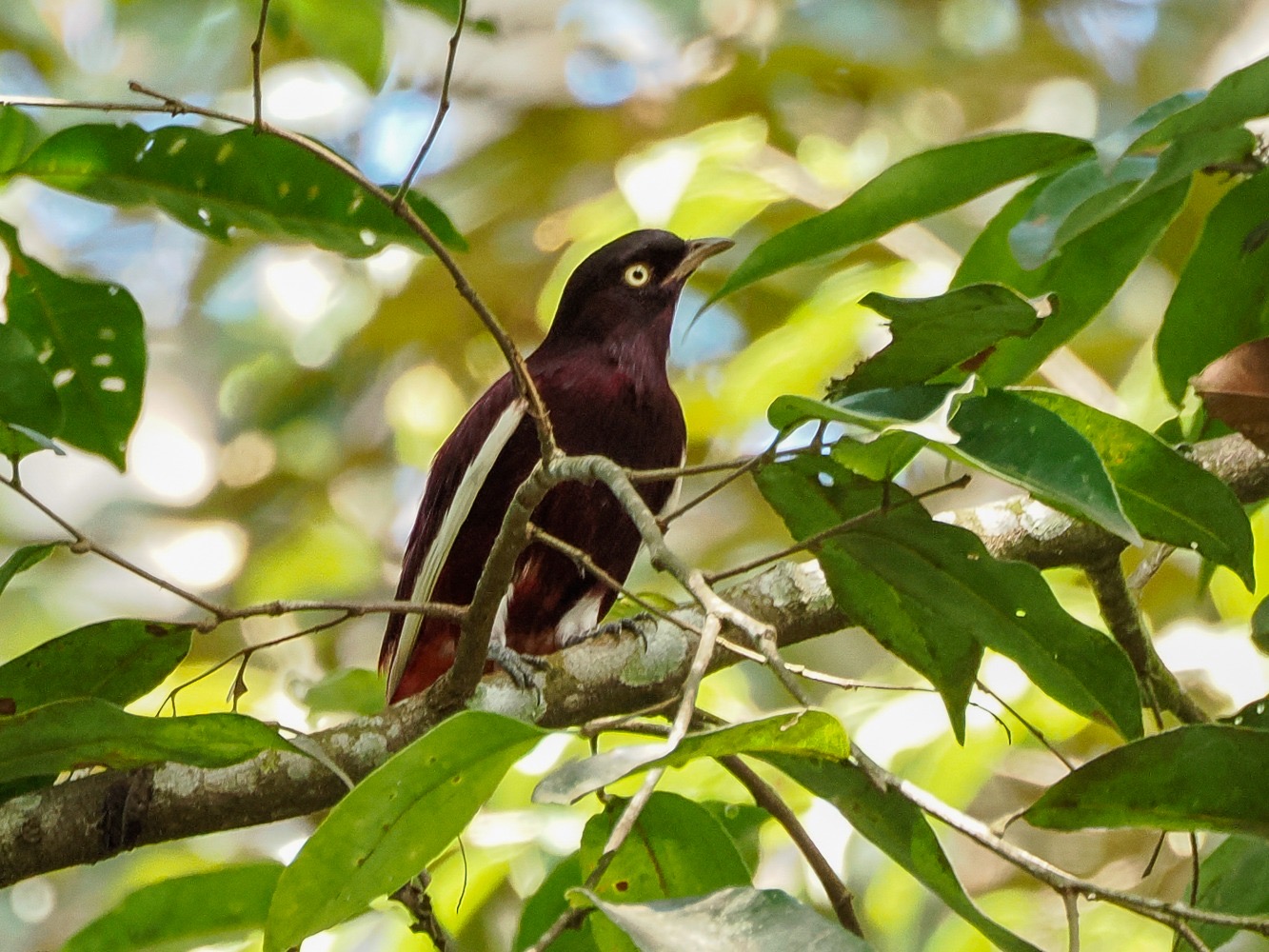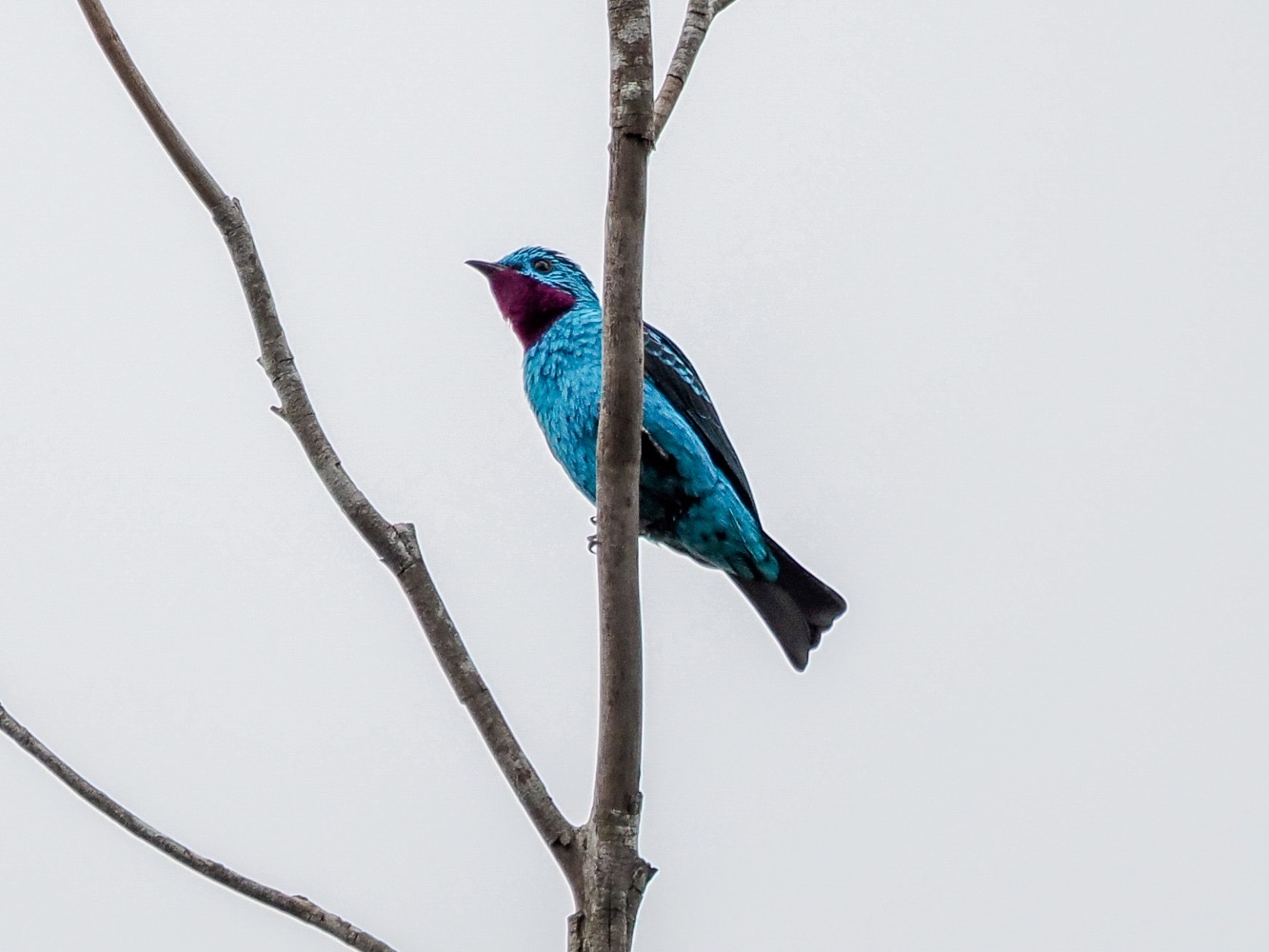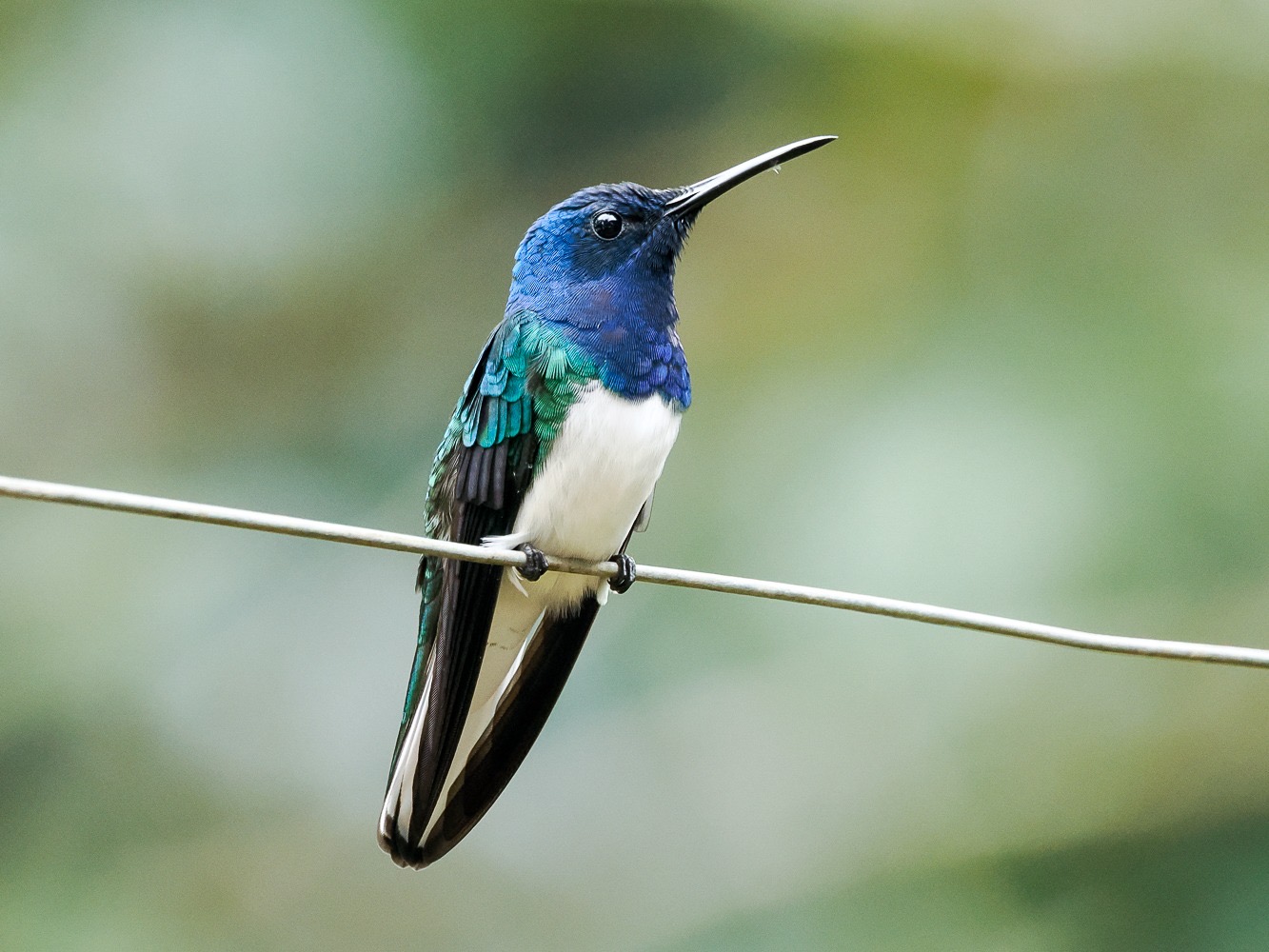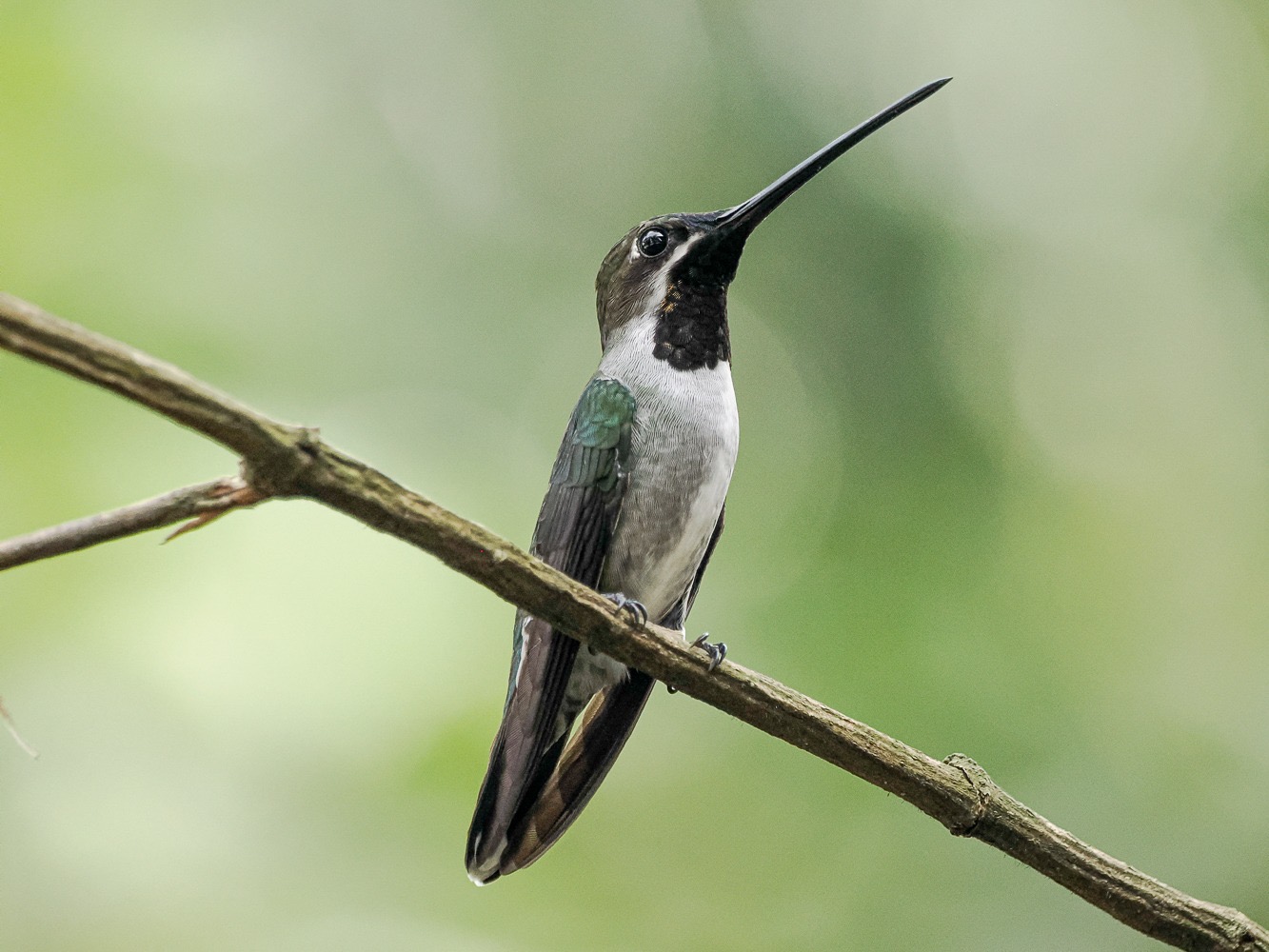

From April 14th to 18th, I had the opportunity to spend several days exploring and observing birds at the Cunhataí Porã Ecological Reserve, a beautiful private reserve located in the southern Amazon region of Mato Grosso, Brazil. The reserve protects an important transition zone between the Amazon forest and other Brazilian biomes, creating a remarkable diversity of habitats and, consequently, an impressive variety of bird species.
During my stay, the primary goal was bird observation and documentation while exploring the different trails and natural environments within the reserve. Each trail offers a unique perspective of the forest, with different vegetation types, microhabitats, and opportunities to encounter a wide range of birds.
Every day began early in the morning, when the forest gradually comes alive with the sounds of birds announcing the start of a new day. At dawn, the air is cooler and filled with mist rising from the forest canopy, creating perfect conditions for bird activity. The chorus of species echoing through the forest is a truly unforgettable experience for anyone passionate about birdwatching.
Throughout the visit, I explored several important trails within the reserve, including Aquiles Trail, Porteira Trail, Rio Claro Trail, Macacos Trail, Gauchinho Trail, and the Observation Tower. Each of these locations provided different birding opportunities and habitats.
The Aquiles Trail winds through dense forest and offers excellent opportunities to observe understory species that prefer shaded environments. Along this trail it is common to hear antbirds, woodcreepers, and other secretive species moving quietly through the forest.
The Porteira Trail passes through areas where the forest opens slightly, allowing more sunlight to reach the understory. These edges often attract a different set of species, including tanagers, flycatchers, and other birds that take advantage of the mix of forest and open habitat.
One of the highlights of the reserve is the Rio Claro Trail, which follows the clear waters of a beautiful forest stream. Water sources in the forest often attract birds throughout the day, especially during warmer hours. Kingfishers, herons, and several species of forest birds can sometimes be seen visiting the riverbanks.
The Macacos Trail, named after the monkeys frequently seen in the area, also provides fantastic birding opportunities. The presence of monkeys often helps birdwatchers locate mixed-species flocks, as birds and mammals move through the forest canopy together while foraging.
Another interesting route is the Gauchinho Trail, which passes through mature forest with tall trees and dense canopy. This type of habitat is ideal for spotting canopy species such as toucans, parrots, and aracaris moving between the treetops.
One of the most exciting locations for birdwatching in the reserve is the Observation Tower. From the top of the tower, visitors gain a completely different perspective of the forest. Instead of looking up from the ground, birdwatchers can observe birds at eye level or even above the canopy. This is an excellent place to watch macaws, parrots, toucans, raptors, and other species that spend most of their time high in the treetops.
Spending several days exploring these trails allowed for a deeper understanding of the reserve’s birdlife and the incredible biodiversity present in this region of the southern Amazon. Each walk through the forest brought new encounters, new sounds, and new species to observe.
Birdwatching at the Cunhataí Porã Ecological Reserve is not only about spotting birds but also about experiencing the rhythm of the forest — the calls echoing through the trees, the movement of wildlife, and the peaceful atmosphere of a preserved natural environment.
For birdwatchers, nature photographers, and wildlife enthusiasts, this reserve offers a unique and rewarding experience. With its network of well-maintained trails and rich biodiversity, it is an excellent destination for anyone interested in discovering the birds of the Amazonian transition forests of Mato Grosso.